



Web browsers are software applications that enable users to navigate the internet, view websites, and interact with online content on the World Wide Web. Some Popular browsers include Google Chrome, Mozilla Firefox, Microsoft Edge, and Safari, each with its unique features and functionalities. However, If you are looking for a browser that respects your privacy and protects your data, you might want to consider some alternatives to the mainstream options. In this article, we will review some of the Best Privacy focused browsers for Windows 11, and compare their features, performance, and security.
What is a privacy focused browser?
A Privacy focused browser prioritizes user privacy and security over other aspects. Unlike mainstream browsers that may collect user data for different purposes such as targeted advertising, privacy-focused browsers prioritize safeguarding user information, minimizing tracking, and providing tools to enhance anonymity during online activities.
These browsers typically include built-in tools to block tracking cookies, prevent fingerprinting, and offer advanced encryption features
A Privacy Focused browser typically offers features such as:
- Blocks or limits trackers to prevent monitoring and profiling of online behavior.
- Blocks intrusive ads and prevents advertisers from using data for targeted ads.
- Prioritizes HTTPS, encrypting data to protect against eavesdropping.
- Includes features to protect against browser fingerprinting techniques.
- Supporting privacy-enhancing extensions and plugins
- Giving you control over your cookies, history and preferences
Why do you need a privacy focused browser?
You might think that your regular browser is good enough for your online activities, but you might be surprised by how much information it collects and shares with third parties. Some of the risks of using a non-privacy focused browser are:
- Regular browsers often let advertisers and websites track what you do online. This means they collect data about you to show you targeted ads. Privacy-focused browsers block this tracking, giving you more control over your online presence.
- These browsers may gather user data, such as what sites you visit, what you search for, and personal information, which can be used to create detailed user profiles. Privacy-focused browsers prioritize keeping your data private.
- Advertisers might take advantage of weaknesses in regular browsers to show you ads specifically tailored to you. Privacy-focused browsers help prevent this, putting you back in charge of what information is shared.
- Regular browsers often let cookies follow you around, tracking your moves from one website to another. Privacy-focused browsers limit this persistent tracking, helping you maintain a level of anonymity online.
How to choose a privacy focused browser?
There is no one-size-fits-all solution when it comes to choosing a privacy focused browser. Different browsers have different strengths and weaknesses, and you might have different preferences and needs. However, some of the factors that you should consider when choosing a privacy focused browser are:
- Privacy Features: Look for browsers with built-in privacy features such as ad and tracker blocking, secure HTTPS connections, and options to disable or limit cookies.
- Compatibility: Make sure that the browser is compatible with Windows 11 and supports the websites and services that you use regularly. A browser that offers both privacy and a smooth browsing experience is ideal.
- Customization: Check if the browser allows you to customize its settings. The ability to adjust preferences, such as managing cookies and controlling tracking, allows you to tailor the browser to your specific privacy needs.
- Usability: Evaluate if the browser is easy to use, navigate and manage, and if it offers a smooth and fast browsing experience.
- Security Updates: Regular security updates are crucial for addressing vulnerabilities and ensuring a secure browsing experience. Opt for a browser that receives frequent updates to stay ahead of emerging security threats.
- Community Support: Check if the browser has an active and engaged user community. Community support can provide valuable insights, contribute to ongoing development, and offer assistance with privacy-related concerns.
Consider browsers that offer additional tools for anonymous browsing, such as integrated VPNs or the ability to route traffic through the Tor network for enhanced privacy.
Here are some of the best privacy focused browsers for Windows 11 that you can try
Brave – The best Private Web Browser
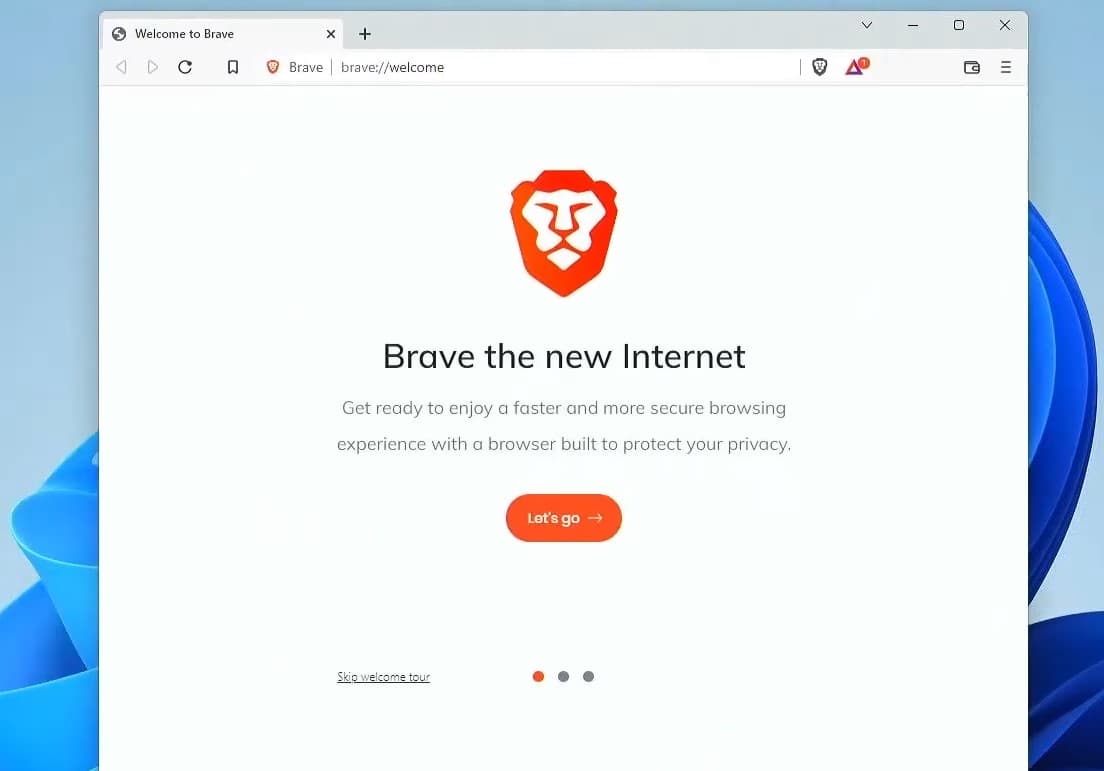

Brave is a popular privacy focused browser that blocks ads and trackers by default, and rewards you with cryptocurrency for viewing optional ads. Brave also offers a built-in VPN, a Tor mode, a private search engine, and a variety of extensions and plugins. Brave is fast, secure, and easy to use, and has a loyal community of users and developers.
- Blocks ads and trackers by default, offers a built-in Tor mode for advanced anonymity and prioritizes speed and privacy.
- Brave Rewards allows users to earn cryptocurrency by opting into privacy-respecting ads.
Firefox – Fast and secure open source browser


Firefox is one of the oldest and most trusted privacy focused browsers in the market. Firefox gives you control over your privacy settings and lets you choose from thousands of extensions and plugins to enhance your browsing experience. Firefox also has features such as Firefox Monitor, which alerts you if your data has been breached, and Firefox Lockwise, which securely stores your passwords across devices.
- Open-source browser with a strong focus on user privacy features Enhanced Tracking Protection to block known trackers and offers customizable privacy settings.
- A large collection of privacy-focused extensions is available through the Firefox Add-ons library.
Tor Browser – Anonymity Online


Tor Browser is the ultimate privacy focused browser for those who want to browse the web anonymously. Tor Browser routes your traffic through a network of encrypted servers around the world, making it impossible for anyone to track or censor your online activity. Tor Browser also blocks trackers, ads and scripts, and prevents fingerprinting and other forms of online tracking. Tor Browser is ideal for accessing the dark web, but it can also be slow and incompatible with some websites.
- Based on Mozilla Firefox, routes internet traffic through the Tor network, providing a high level of anonymity by bouncing connections through multiple volunteer-operated servers.
- Includes additional privacy features such as NoScript for controlling JavaScript execution
DuckDuckGo – Gateway to Anonymous Searching
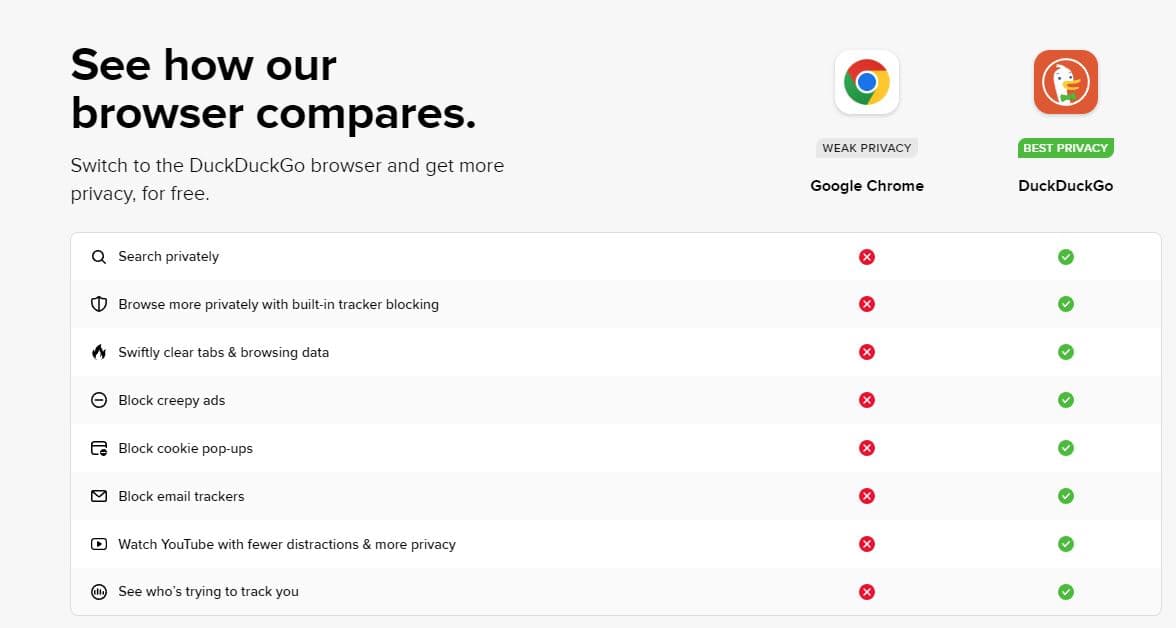

DuckDuckGo Privacy Browser is a search-focused browser designed to prioritize user privacy. Known for its simplicity and commitment to keeping your online activities private, DuckDuckGo blocks hidden third-party trackers and enforces encrypted connections whenever possible. With a clean interface and a dedicated focus on search privacy, DuckDuckGo is a reliable choice for those who value confidentiality in their online searches.
- Blocks hidden third-party trackers and ensures encrypted connections for enhanced privacy.
- Focuses on a private search experience, separating itself from data-hungry search engines.
- Simplified interface with an emphasis on user-friendly privacy features.
Vivaldi – Customizable Privacy for Power Users
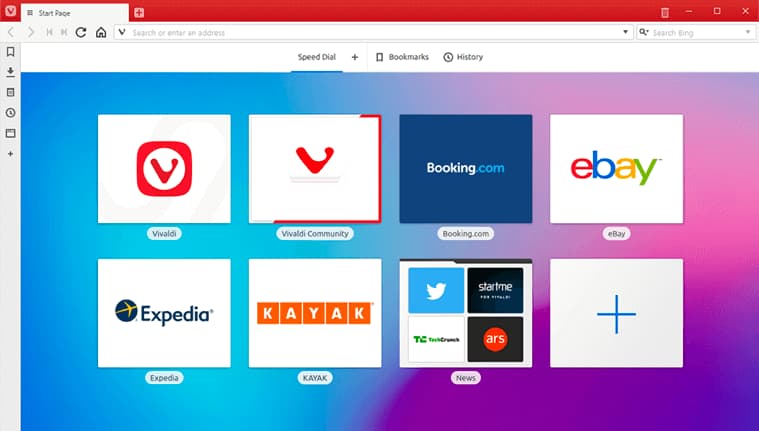

Vivaldi is a highly customizable browser that appeals to users seeking both privacy and a personalized browsing experience. With a variety of features and an emphasis on user control, Vivaldi is an excellent choice for those who want to tailor their browser to their specific preferences.
- Includes ad and tracker blocking features to minimize unwanted data collection and intrusive advertisements.
- Offers a range of privacy settings, allowing users to customize their browsing experience to align with their privacy preferences.
- Known for its high level of customization, providing users with the ability to personalize the browser interface and functionality.
Epic Privacy Browser – Secure and Anonymous Browsing
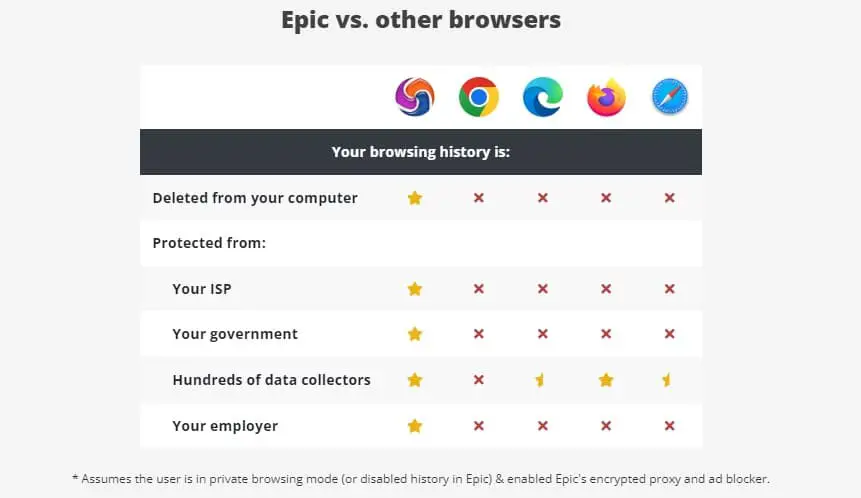

Epic Privacy Browser is designed for users who prioritize privacy and security. This browser goes beyond ad and tracker blocking, offering an encrypted proxy through a built-in VPN, ensuring that your online activities remain confidential. With a focus on user anonymity, Epic Privacy Browser deletes browsing data upon closing, providing a comprehensive solution for those seeking a privacy-centric browsing experience.
- Blocks ads, trackers, and fingerprinting for enhanced privacy.
- Offers an encrypted proxy through a built-in VPN for additional anonymity.
- Deletes browsing data upon closing the browser, minimizing the digital footprint.
Each of these browsers brings its own set of features and strengths, catering to different preferences and privacy requirements. Whether you prioritize simplicity, customization, or comprehensive privacy features, these browsers offer alternatives to mainstream options, empowering users to choose a browsing experience that aligns with their privacy values.
Also read:


