Windows Update Error 0x80d02002

Microsoft regularly releases Windows updates to fix security vulnerabilities, improve stability, and add new features. Installing these updates is important to keep your system secure and running smoothly. However, sometimes Windows updates fail to install and show an error code instead. Many Windows 10 users report that their devices get stuck during the update process or fail with Windows Update Error 0x80d02002. Such errors indicate corrupted update components, faulty system files, or network issues that prevent files from downloading correctly. Whatever the reason, here we have several proven methods to fix Windows Update Error 0x80d02002 in Windows 10.

What Is Windows Update Error 0x80d02002?

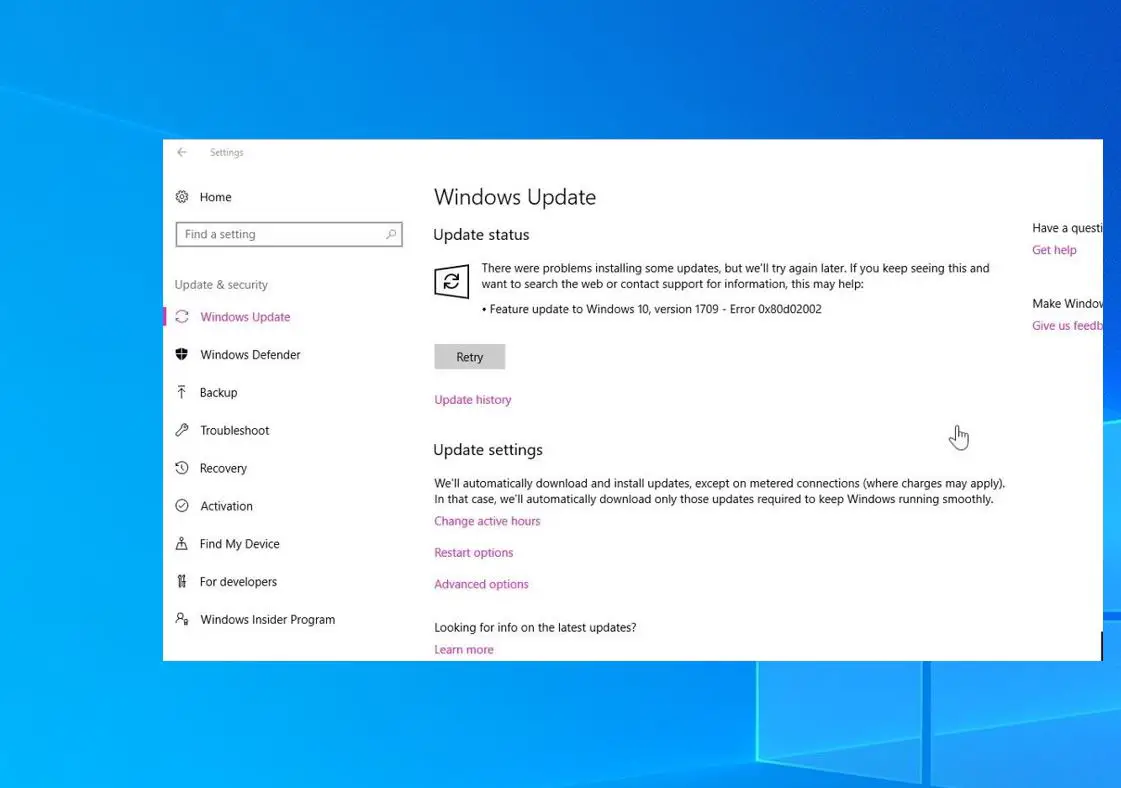
Error 0x80d02002 (and related error 0x80070652) usually appears when Windows 10 fails to download or install updates. This means something is blocking the update process.

Common causes include:

  • Corrupted Update Cache: Corrupted files within the SoftwareDistribution or catroot2 folders, which store temporary update data.
  • Network Issues/Proxy: Unstable internet connections, firewalls, or proxy settings preventing connection to Microsoft servers.
  • Service Failures: The Background Intelligent Transfer Service (BITS) or Windows Update service is disabled or not running.
  • Incompatible Software/Drivers: Third-party antivirus, outdated drivers, or software conflicts interfering with the update process.
  • Incorrect Region/Language Settings: Misconfigured regional settings preventing the download of region-specific updates.

Let’s move the troubleshooting part. Lets start with basic checks:

1. Check Your Internet Connection

A slow or unstable connection can interrupt downloads and cause Windows Update errors.

  • Make sure you are connected to the internet.
  • Prefer a wired (Ethernet) connection if possible.
  • Avoid using VPN or proxy while installing updates.

2. Verify Software Compatibility

If you recently installed new software or drivers, they might not be fully compatible with Windows 10 and can interfere with updates.

  • Uninstall any suspicious or very recent programs.
  • Make sure your security software (antivirus, firewall) supports your version of Windows 10.

3. Update Device Drivers

Outdated or corrupted drivers, especially for key hardware, can cause update failures.

Pay special attention to:

  • Display adapter (graphics card)
  • Network adapter (Wi‑Fi/LAN)
  • Audio driver

To update drivers:

  1. Right‑click Start and choose Device Manager.
  2. Expand each category (Display adapters, Network adapters, Sound, video and game controllers).
  3. Right‑click your device and select Update driver.
  4. Choose Search automatically for drivers.
Update Drivers On Windows 11

4. Scan for Viruses and Malware

Malware infection can damage system files and block updates.

  • Run a full system scan with Windows Security or your trusted antivirus.
  • After that, you can run tools like CCleaner (optional) to remove junk files and fix basic registry errors. Do this carefully and create a restore point first.

5. If Error Appears When Updating Microsoft Store Apps

If you see 0x80d02002 only when updating apps from the Microsoft Store (not when installing Windows updates):

  1. Press Win + R.
  2. Type wsreset and press Enter.
  3. A blank Command Prompt window will open and close automatically. Then the Microsoft Store will launch.

Try updating the apps again.

If these basic checks do not fix the Windows Update error, continue with the solutions below.

Solution 1: Run the Windows Update Troubleshooter

Windows 10 includes a built‑in troubleshooter that can automatically detect and fix common Windows Update problems.

  1. Press Windows + I to open Settings.
  2. Go to Update & Security > Troubleshoot.
  3. Click Additional troubleshooters (if available).
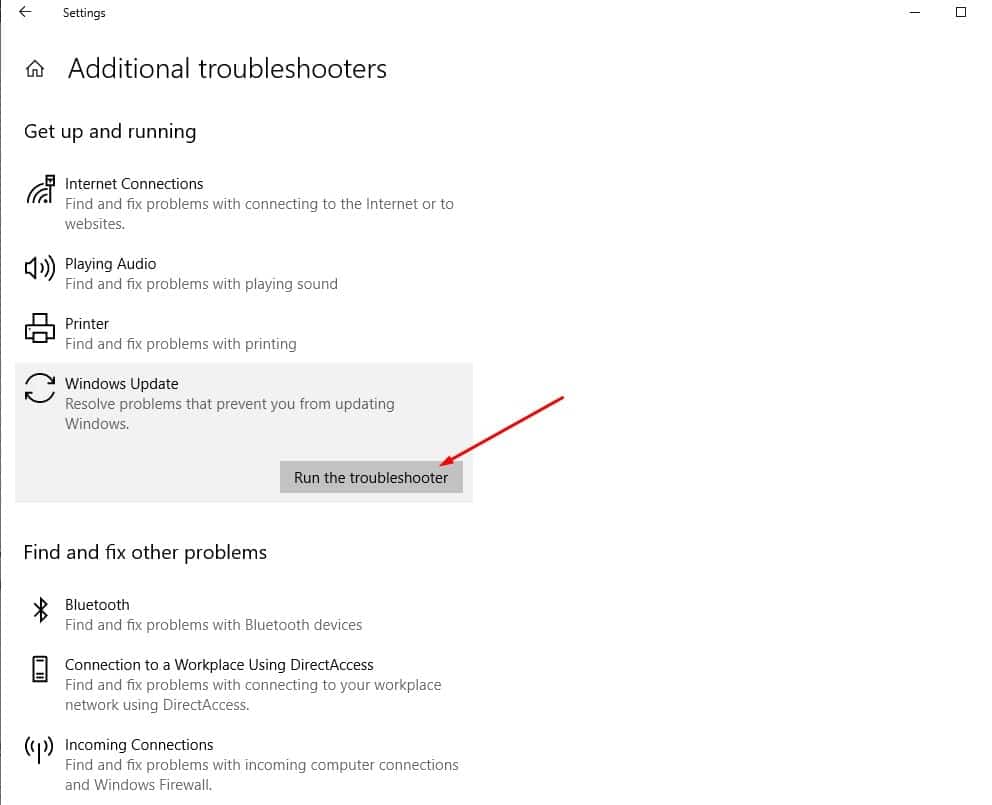
  4. Select Windows Update and then click Run the troubleshooter.
  5. Follow the on‑screen instructions and allow it to apply any recommended fixes.
Run Windows update troubleshooter

After the troubleshooter completes:

  1. Restart your PC.
  2. Go to Settings > Update & Security > Windows Update.
  3. Click Check for updates and try to install the updates again.

If Windows Update Error 0x80d02002 still appears, move on to the next method.

Solution 2: Check Region and Language Settings

Incorrect regional settings can sometimes cause Windows update failures.

  1. Press Windows + I to open Settings.
  2. Go to Time & Language.
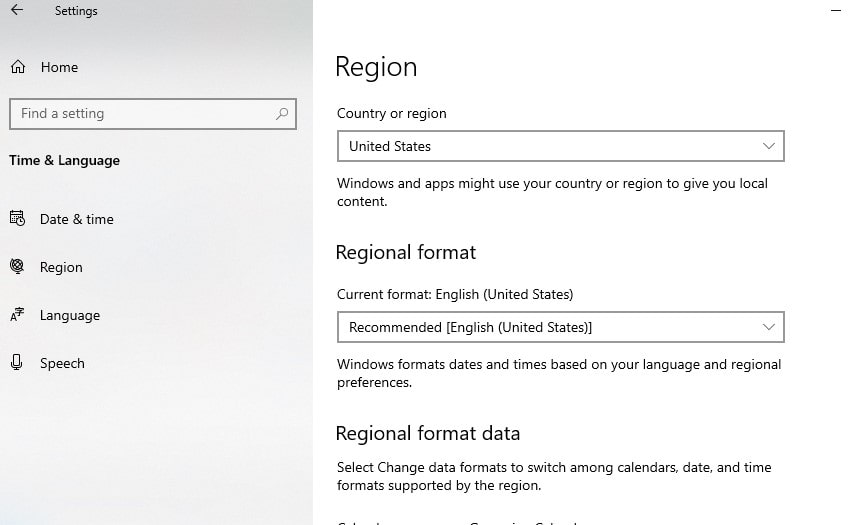
  3. From the left pane, select Region & language (or Region and Language on newer builds).
  4. Make sure your Country or region is set correctly.
  5. Ensure that the appropriate Language pack is installed and set as default.
    • If it shows as Available, click Download and let Windows install it.
Change region Settings

After adjusting these settings:

  1. Restart your PC.
  2. Try installing Windows updates again from Settings > Update & Security > Windows Update.

Solution 3: Reset Windows Update Components

In many cases, corrupted Windows Update components or a damaged update cache are the main reasons for errors like 0x80d02002. Resetting the Windows Update components can resolve this.

This process involves stopping update services, renaming cache folders, and starting the services again.

Important: You need to run these commands in an elevated Command Prompt (Run as administrator).

Step 1: Open Command Prompt as Administrator

  1. Click the Start menu.
  2. Type cmd.
  3. Right‑click Command Prompt and select Run as administrator.
  4. Click Yes on the UAC prompt.

Step 2: Stop Windows Update Services

In the Command Prompt window, type the following commands one by one, pressing Enter after each:

net stop wuauserv
net stop cryptSvc
net stop bits
net stop msiserver

This stops the main services used by Windows Update.

Step 3: Rename the SoftwareDistribution and Catroot2 Folders

These folders store temporary update files. Renaming them forces Windows to create fresh copies.

ren C:\Windows\SoftwareDistribution SoftwareDistribution.old
ren C:\Windows\System32\catroot2 catroot2.old

If you get an “Access denied” message, make sure all the above services are stopped and that Command Prompt is running as administrator.

Step 4: Restart the Services

Now restart the services you stopped earlier:

net start wuauserv
net start cryptSvc
net start bits
net start msiserver
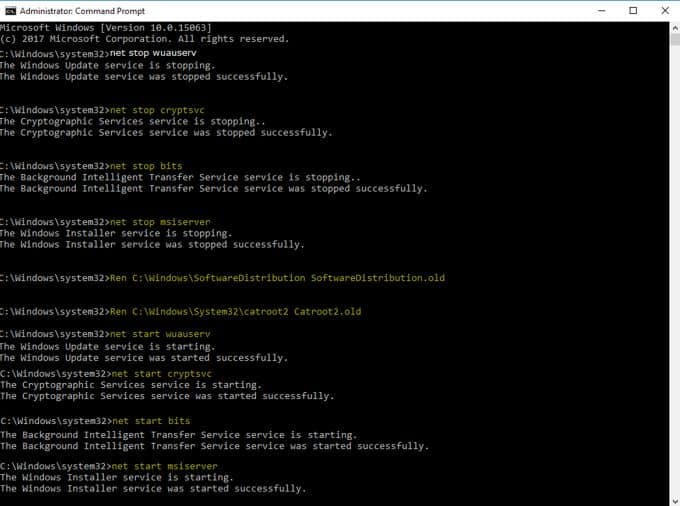
Manually reset windows update component

Step 5: Restart and Check for Updates

  1. Type exit and press Enter to close Command Prompt.
  2. Restart your computer.
  3. Go to Settings > Update & Security > Windows Update and click Check for updates.

In many cases, this completely resolves Windows Update Error 0x80d02002.

Solution 4: Repair Corrupted System Files (SFC and DISM)

If important system files are missing or corrupted, Windows may fail to install updates.

Run System File Checker (SFC)

  1. Open Command Prompt as administrator (as shown earlier).
  2. Type the command below and press Enter:
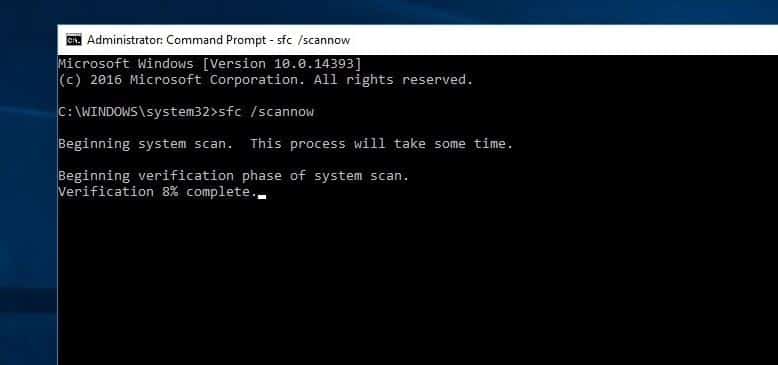
sfc /scannow
system file checker utility Windows 10
  1. Wait while Windows scans and repairs system files. This can take some time.
  2. When the scan reaches 100%, you will see a summary of the results.
  3. Restart your PC.

Now try to run Windows Update again.

If SFC reports that it found corrupted files but could not fix some of them, continue with DISM.

Run DISM Restorehealth command Tool

DISM (Deployment Imaging and Servicing Management) can repair the Windows image and help SFC work correctly.

  1. Open Command Prompt as administrator again.
  2. Type the following command and press Enter:
dism /online /cleanup-image /restorehealth
  1. Wait for the process to complete (it might take 10–30 minutes depending on your system and internet speed).
  2. When it finishes, restart your computer.
  3. Run sfc /scannow one more time.
  4. After that, go to Settings > Update & Security > Windows Update and check for updates.

Solution 5: Perform a Clean Boot and Then Update

Sometimes third‑party services or startup programs interfere with Windows Update and cause error 0x80d02002. A clean boot starts Windows with a minimal set of drivers and startup programs.

How to Perform a Clean Boot in Windows 10

  • Press Windows + R, type msconfig, and press Enter.
  • In the System Configuration window, go to the Services tab.
  • Check Hide all Microsoft services.
  • Click Disable all.
Hide all Microsoft services
  • Go to the Startup tab and click Open Task Manager.
  • In Task Manager, disable all startup items one by one.
  • Close Task Manager and click OK in the System Configuration window.
  • Restart your computer.

Now that your system is in a clean boot state:

  1. Go to Settings > Update & Security > Windows Update.
  2. Click Check for updates and try installing the updates again.

If updates install successfully, one of the disabled startup programs or services was likely causing the problem. You can re‑enable them one by one to find the culprit.

Solution 6: Temporarily Disable Third‑Party Antivirus or Firewall

Security software is important, but sometimes third‑party antivirus or firewall programs can interfere with Windows Update connections and cause error 0x80d02002.

Note: Don’t stay unprotected for long. This step is only for testing while you install updates.

Temporarily disable your antivirus:
Open your third‑party antivirus program (Avast, AVG, Kaspersky, McAfee, etc.) and look for an option like:

  • Disable protection
  • Turn off shields
  • Pause protection Turn it off temporarily.

Disable any third‑party firewall/VPN (if used):

  • Turn off extra firewall software.
  • Disconnect from VPN or proxy apps.

Run Windows Update again:

  • Go to Settings > Update & Security > Windows Update.
  • Click Check for updates and try to install all pending updates.
  1. Re‑enable protection:
    As soon as the updates are installed successfully, turn your antivirus and firewall back on.

If Windows update works only when the antivirus is disabled, you may need to:

  • Add Windows Update and BITS services as exceptions in your security software, or
  • Consider switching to another antivirus that plays better with Windows 10 updates.

Solution 7: Manually Install the Update from Microsoft Update Catalog

If a specific update keeps failing with Windows Update Error 0x80d02002, you can download and install it manually from the official Microsoft Update Catalog.

Step 1: Find the KB Number of the Failed Update

  1. Go to Settings > Update & Security > Windows Update.
  2. Click View update history.
  3. Note the KB number (for example, KB5005565) of the update that failed to install.

Step 2: Download the Update from Microsoft Update Catalog

  1. Open your browser and go to:
    https://www.catalog.update.microsoft.com/
  2. In the search box, type the KB number you noted (for example, KB5005565) and press Enter.
  3. Look for the entry that matches your system:
    • Windows 10 version (21H1, 22H2, etc.)
    • System type: x64‑based systems (most modern PCs) or x86.
  4. Click Download next to the correct entry.
  5. A small window will open – click the .msu or .cab link to start the download.

Step 3: Install the Update Manually

  1. Once the file is downloaded, double‑click it.
  2. Follow the on‑screen instructions to install the update.
  3. When the installation is complete, restart your computer.

After the restart, go back to Settings > Update & Security > Windows Update and click Check for updates. The previously failing update should now show as installed, and in many cases, error 0x80d02002 will be resolved.

Frequently Asked Questions

What is Windows Update Error 0x80d02002?

Windows Update Error 0x80d02002 is a Windows 10 update error that appears when the system fails to download or install updates due to issues like corrupted update cache, network problems, or software conflicts.

How do I fix Windows Update Error 0x80d02002 quickly?

You can usually fix error 0x80d02002 by checking your internet connection, running the Windows Update Troubleshooter, resetting the SoftwareDistribution and Catroot2 folders, and then trying Windows Update again.

Can antivirus software cause Windows Update Error 0x80d02002?

Yes, third‑party antivirus or firewall programs can sometimes block Windows Update connections and trigger error 0x80d02002, so temporarily disabling them while you install updates can help.

What should I do if the same update keeps failing with 0x80d02002?

If the same update fails repeatedly, note the KB number from Update history and manually download and install it from the Microsoft Update Catalog for your specific Windows 10 version.

Is it safe to keep using my PC with Windows Update Error 0x80d02002?

Your PC will still work, but it’s not recommended to ignore this error because failed updates can leave your system without important security patches and bug fixes, increasing the risk of vulnerabilities over time.

Also, read

Steve Ballmer
With over 7 years of experience in the IT industry, I have experience in IT support, helpdesk, sysadmin, network admin, and cloud computing. Certified in Microsoft Technologies (MCTS and MCSA) and also Cisco Certified Professional in Routing and Switching.

1 COMMENT

Comments are closed.