
Microsoft usually collects Diagnostic data to troubleshoot problems and improve Windows and related products and services, But even the company may use the information from diagnostic data to show targeted ads and other information across the experience. You may notice these annoying ads from of suggestions and tips on the lock screen, apps you never used before pinned in the start menu, feature and content suggestions in the settings app, and more. So you may be Looking to remove annoying ads from Windows 11 lock screen or start menu. The new OS only requires a few settings tweaks to improve things, here In this article, we’ll guide you through the steps to remove ads from Windows 11 start menu or lock screen.
Stop Microsoft From Using Your Diagnostic Data
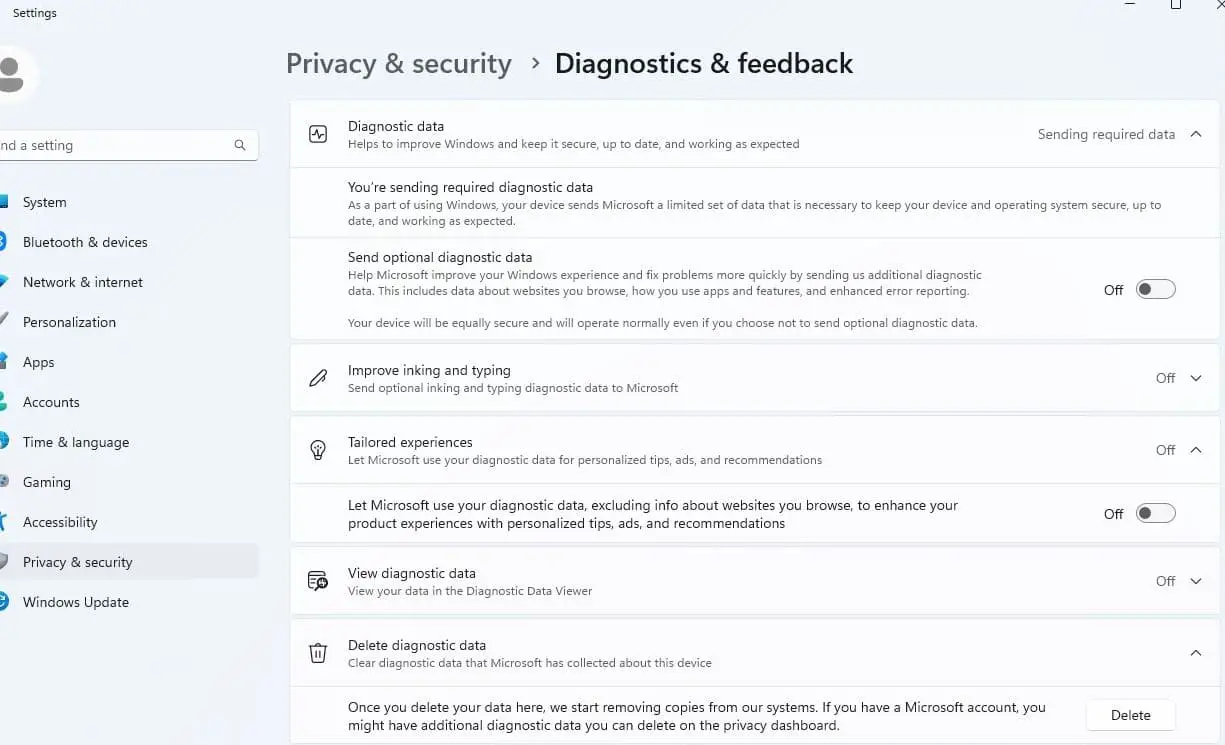
Microsoft diagnostic data collects, details about your device its settings and capabilities, and its current performance to fix problems and enhance user experience. But also the company analyzes your diagnostic data and pushes ads to you customized to this personal profile. And To stop Windows 11 from doing so Stop Microsoft from Using Your Diagnostic Data by following the steps below.
- Press the Windows key + X and select settings, or you can press the Windows key + I to open the settings app
- Go to privacy & security on the left side menu, then click Diagnostics & feedback
- Here expand the Tailored Experiences drop-down menu and toggle it off.
- In addition, toggle off “send optional diagnostic data” option as well.
Remove advertisements from Windows 11
The quick and straightforward way to way to remove ads from Windows 11 lock screen or start menu is.
- Open Settings app using Windows key + I
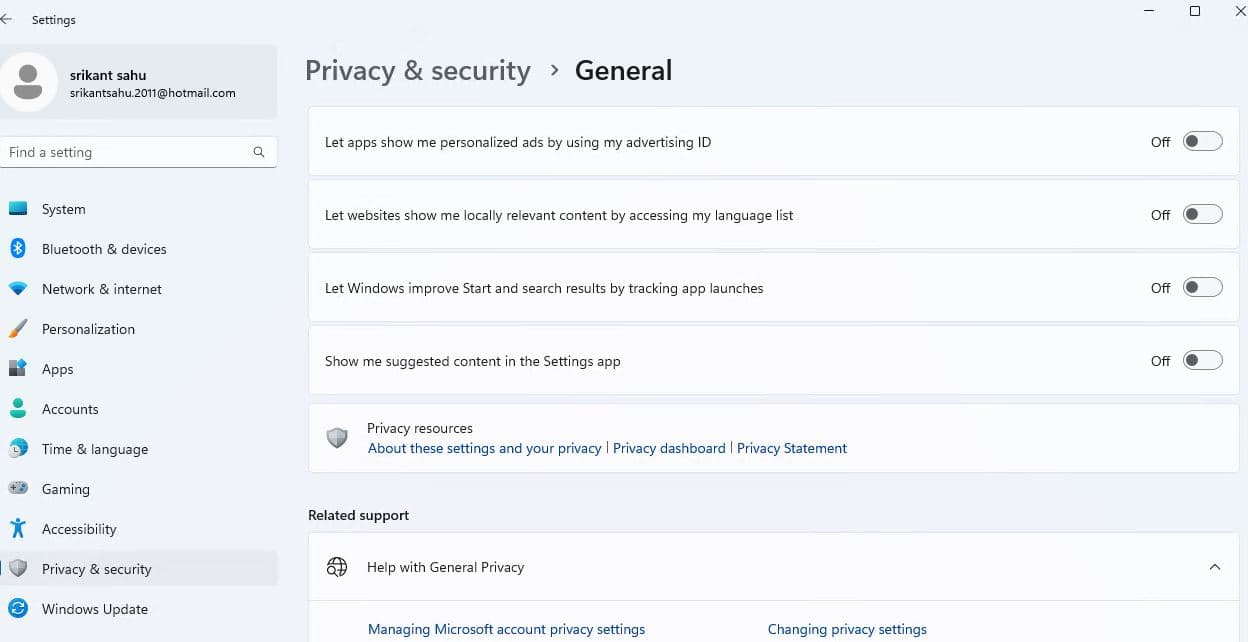
- Go to Privacy & Security then General.
- Disable the switch next to Let apps show me personalized ads by using my advertising ID to Stop Microsoft From Showing You Personalized Ads.
Also, toggle off Show me suggested content in the Settings app to Remove Ads From Windows 11’s Settings.
In addition, toggle off the button “Improve start and search results by tracking app launches” and “show locally relevant content by accessing my language list”.
Remove Ads From the Windows 11 Start Menu
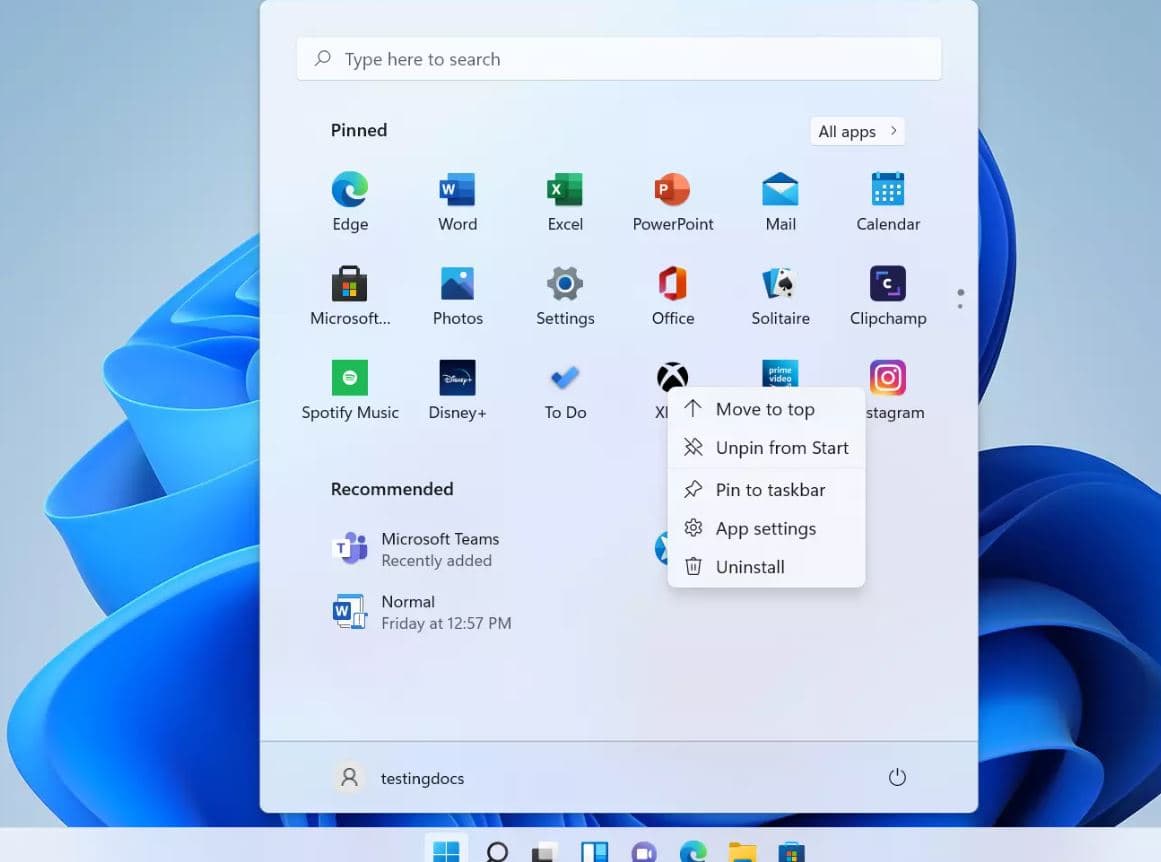
Microsoft promotes different apps in Windows 11 start menu, some include prime video, Adobe Express, TikTok, Spotify and more. These apps aren’t natively part of the OS And you can remove App ads from Windows 11 start menu by following the steps below.
- Click on the start menu or press the Windows key on the keyboard,
- The start menu opens, Right-click the app you don’t want and select the Uninstall button.
- Repeat the same steps to remove all those unwanted app ads from the Windows 11 start menu.
Block Ads From the Windows 11 Lock Screen
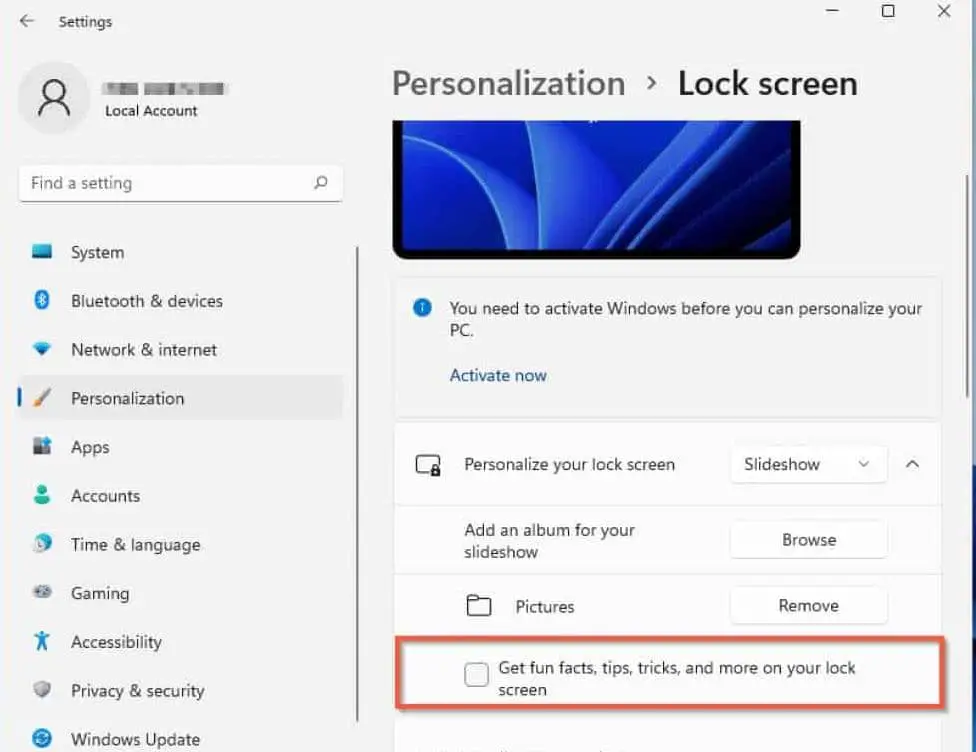
You may see annoying ads on Windows 11 lock screen, Microsoft calls them facts, tips, tricks and more, but they are essentially just in disguise. You can remove ads from Windows 11 lock screen by followings the steps below.
- Press Windows key + X and select settings
- Go to personalization then click the lock screen
- Here on the right-hand side locate and uncheck the box beside Get fun facts, tips, tricks, and more on your lock screen.
Disable Notifications Ads
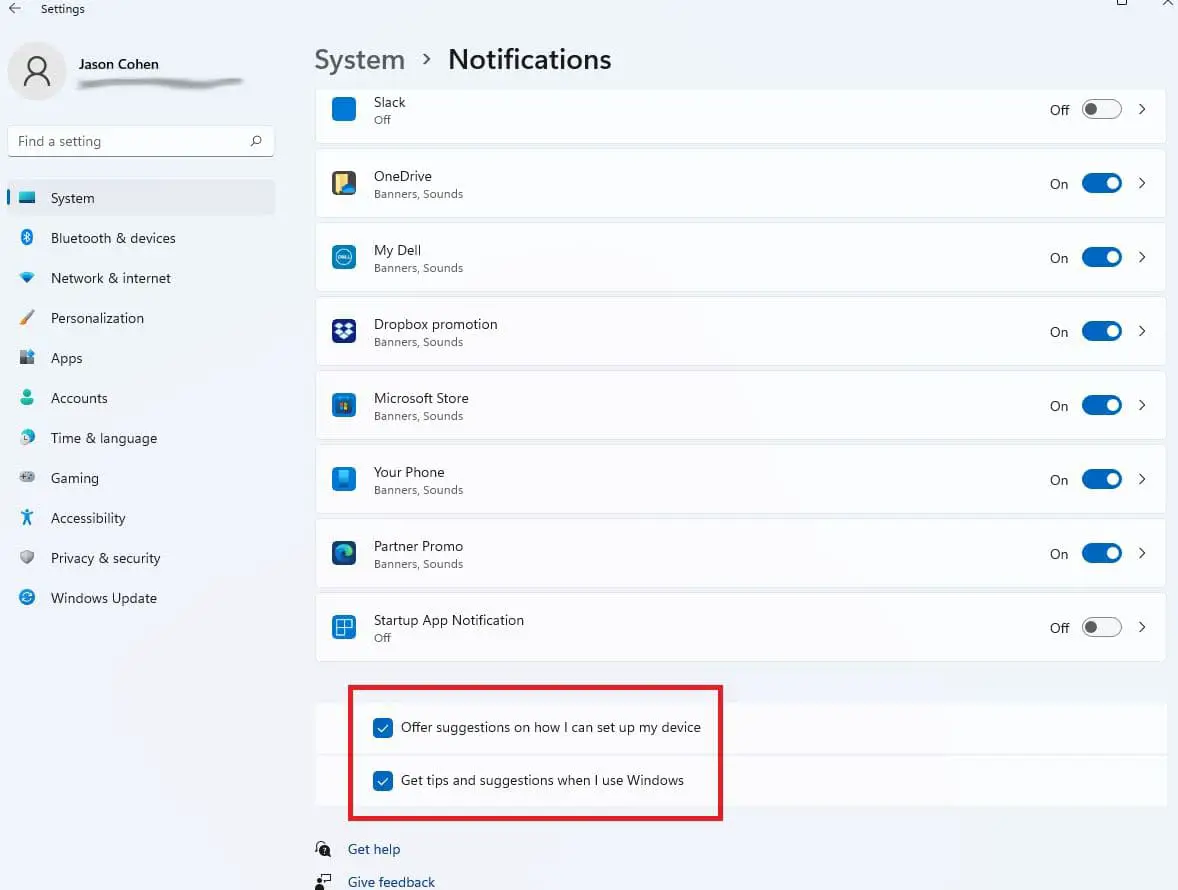
Windows 11 also displays ads in notifications, these are shown as suggestions and tips while using your computer or configuring some of the settings. To disable notifications ads on Windows 11, follow these steps:
- Click on the Start menu and select Settings.
- Click on System then Click on Notifications & Actions.
- Uncheck the box that says “Get tips, tricks, and suggestions when i use Windows.”
- In addition, disable Offer suggestions on how I can set up my device option as well.
Disable Ads in Windows 11 File Explorer
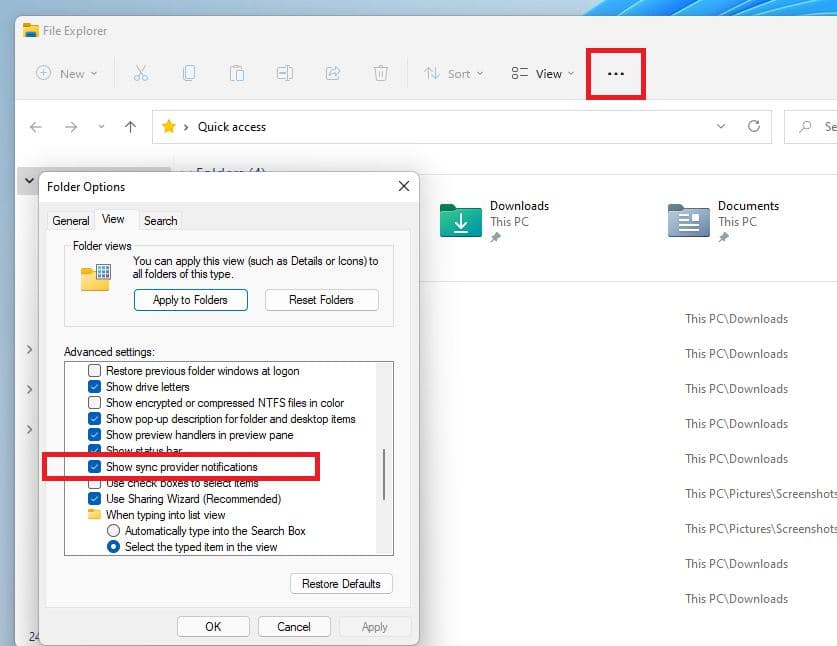
In addition, Windows 11 File Explorer may also include ads. But don’t worry, you can disable them easily.
- Press Windows key + S, search for folder options then select it on top,
- Or open File Explorer and click the three-dot icon in the top ribbon. Choose Options to open a dialog box and click the View tab.
- click the View tab, and uncheck the Show sync provider notifications option,
- press Apply, then OK.
Disable Windows Spotlight Ads
Windows Spotlight is a feature in Windows 11 that displays a different image on your lock screen every day. Sometimes, these images are accompanied by ads. To disable Windows Spotlight ads, follow these steps:
- Click on the Start menu and select Settings.
- Click on Personalization then Lock screen.
- Here Under the “Choose your background” section, select Picture or Slideshow instead of Windows Spotlight.
Disable Microsoft Account Ads
Also, you can switch to a local account to disable ads related to your Microsoft account. To do this, follow these steps:
- Open settings using Windows key + I then select Account,
- Select “Your info” from the left-hand menu, then account settings section, and click on “Sign in with a local account instead.”
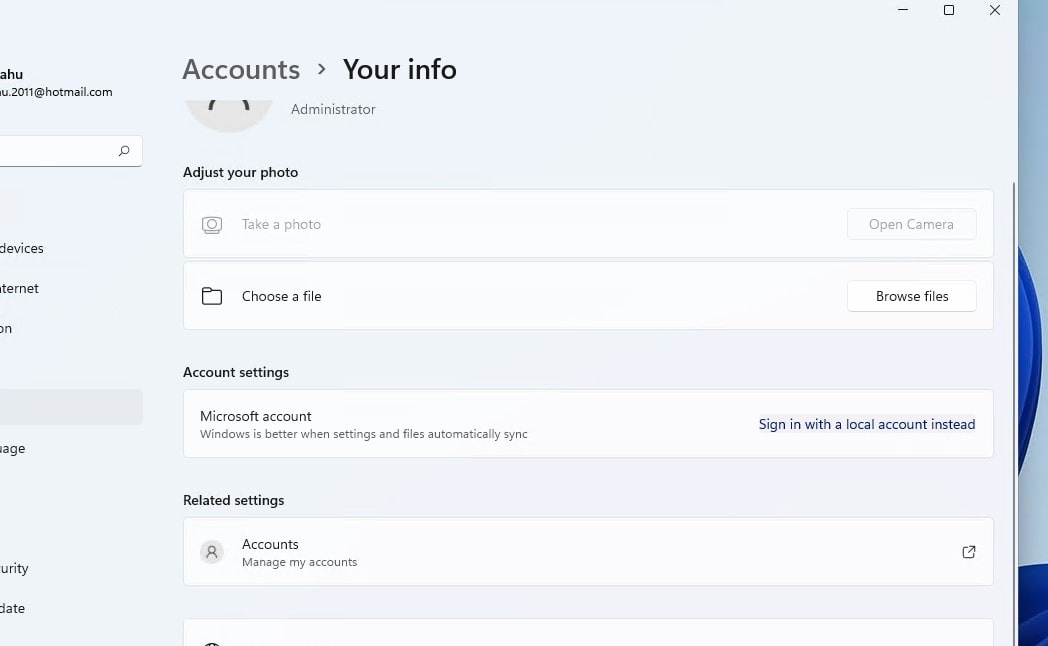
- Follow the on-screen instructions to create a local account and sign out of your Microsoft account.
In addition, to stop ads on Windows 11 web Browsers, you can use a third-party ad blocker extension for your web browser.
Also read:


