
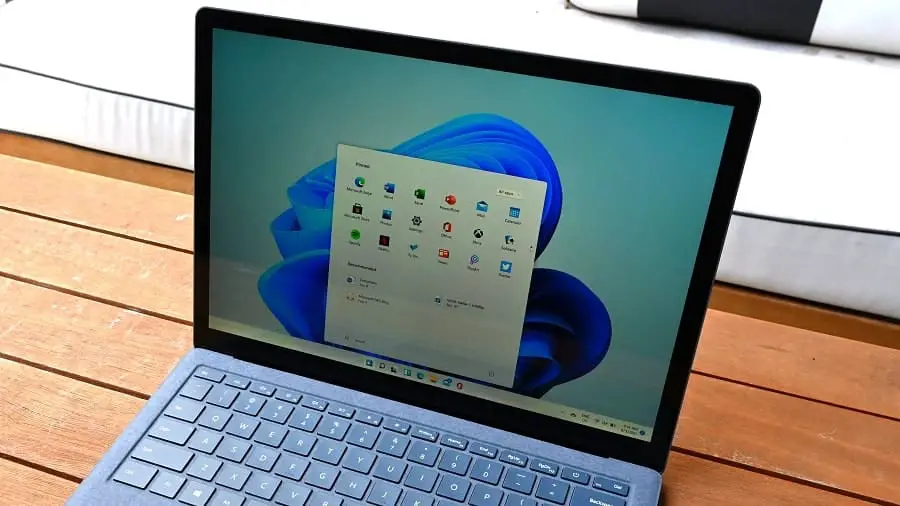
Microsoft has officially rolled out the latest Windows 11 as a free upgrade for eligible Windows 10 devices with tons of new features and improvements around security, productivity and design. The company also published Windows 11 ISO images you download for a clean install or troubleshoot your PC. Unlike previous Windows 10 updates, the new operating system mainly focuses on improve productivity and aims at streamlining your PC. After upgrade to Windows 11 Version 23H2, you will notice many things changed including a new desktop interface, centered start menu, new Fluent Design materials, rounded corners and more. Here in this post, you will get to know the best new Windows 11 features, the most interesting design changes you should check out after installing the latest version of the OS.
Windows 11 Features
After upgrade to Windows 11, you notice the start menu is centered, and its live tiles have been replaced by icons. There is a new snap layouts feature for multitasking in Windows 11. Also, there are new Windows widgets on the desktop that allow users to view Microsoft newsfeed, daily updates on weather and traffic. New redesigned Microsoft store, File Explorer Layout Update, Microsoft Teams is integrated and more. Let’s take a look at the most interesting Windows 11 features introduced in the latest release.
Redesigned Start Menu
Windows 11 has some significant design changes, along with some alterations on how the system works under the hood. By far the biggest change on Windows 11 is the redesigned Start menu that ditches the Live Tiles in favor of traditional icons and introduces a new minimalistic design.
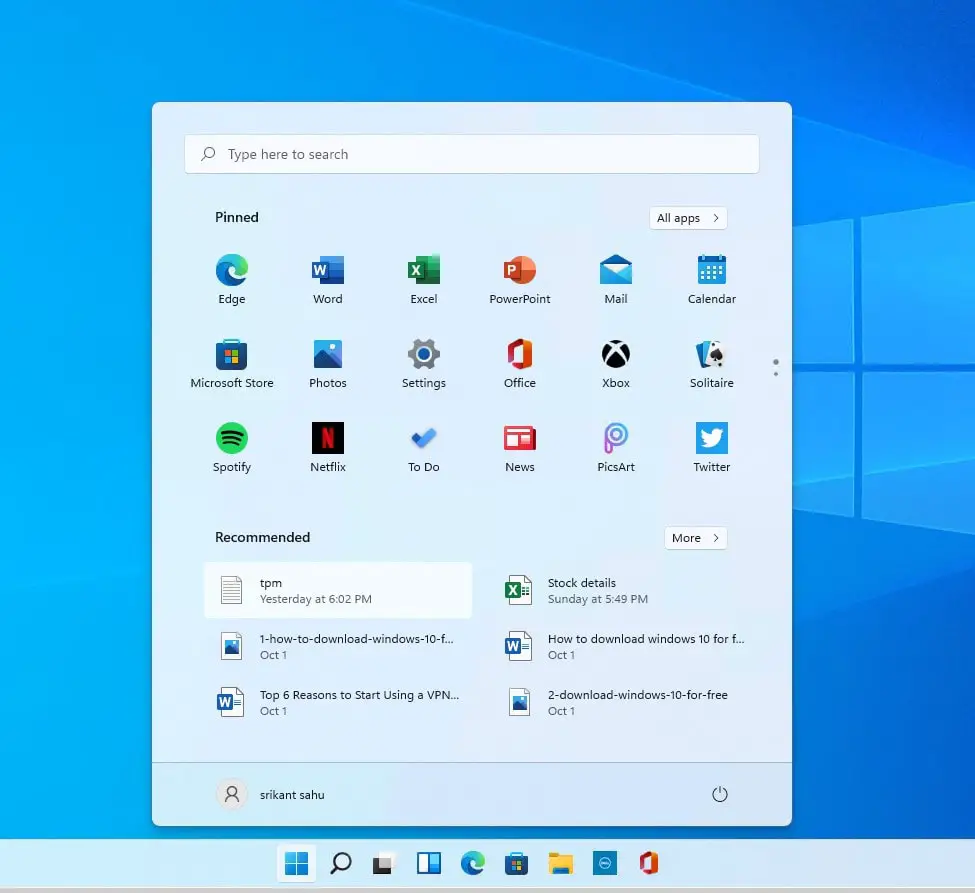
By default, the Start menu in Windows 11 is centered on screen, along with icons in the taskbar. When clicked on, the Start button opens a menu of frequently used apps. If you prefer the left-oriented layout, You can move the start button and apps back to the left.
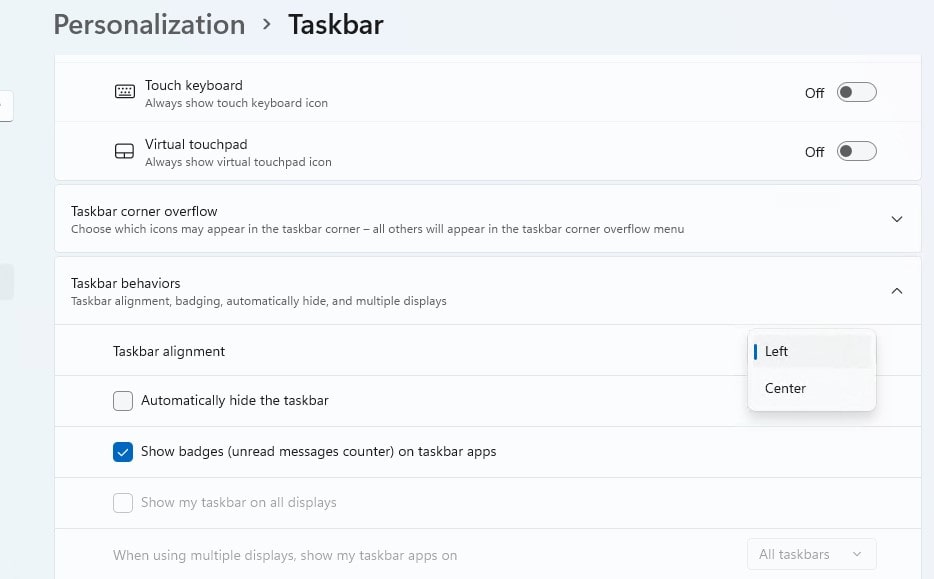
- Right-click on the taskbar then select taskbar settings,
- Scroll down and locate taskbar behaviors then change taskbar alignment left.
- It swaps over to the left and you can also go back to the center if you want.
And, as always, you can open start menu with a tap of the Windows key. The layout has changed and the features that are included have been streamlined for a cleaner, hopefully, more intuitive, user experience.
The notifications sidebar is now accessed by clicking the date and time, with other Quick Actions toggles, as well as volume, brightness, and media playback controls moved to a new settings pop-up displayed by clicking on the system tray.
On Windows 11 the Segoe UI font has been updated to a variable version, improving its ability to scale between display resolutions.
Snap Layout
Snap layouts are a new Windows 11 feature to help introduce users to the power of window snapping. Replacing the drag-and-drop snap assist feature of Windows 10, snap layouts let you arrange your apps quickly and neatly on your desktop, making it much simpler to see all and use all at once. When you first start to use snap layouts, it may take a little getting used to, especially when it comes to deciding which app goes where. Once you’re set, however, you may find that snap layouts make it a lot easier to, say, monitor your Twitter or Slack account while working on a document or watching a video.
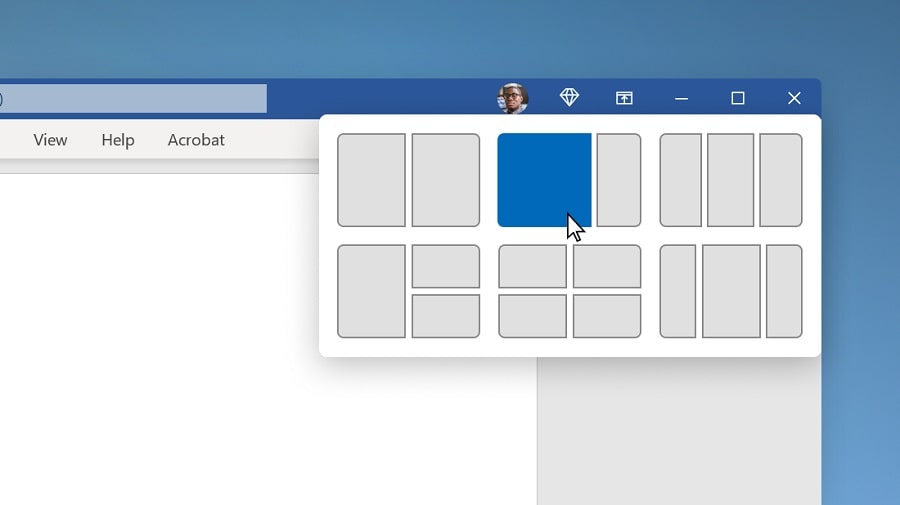
Snap layouts are easily accessible by hovering the mouse over a window’s maximize button or pressing Win + Z. “Bring together groups of apps and windows with Snap Layouts, and easily maximize and minimize the entire bunch with Snap Groups in Windows 11” Microsoft.
Snap Groups
Windows 11 brings many new features to play with, and one of those is known as Snap Groups. We have already used the snap feature on Windows 10, but Windows 11 takes that feature to the next level. Snap Groups are actually the groups that are saved when you create a layout via the Snap layouts feature in Windows 11. Once you create a Snap layout in Windows 11, you can head down to your Taskbar. Hover the mouse over your Taskbar to see the newly created Snap Group. The group should be clearly labeled, and you’ll see a preview of the group in the same layout you just created. Snap layouts and Snap Groups have been turned on by default in Windows 11.
Widgets On Windows 11
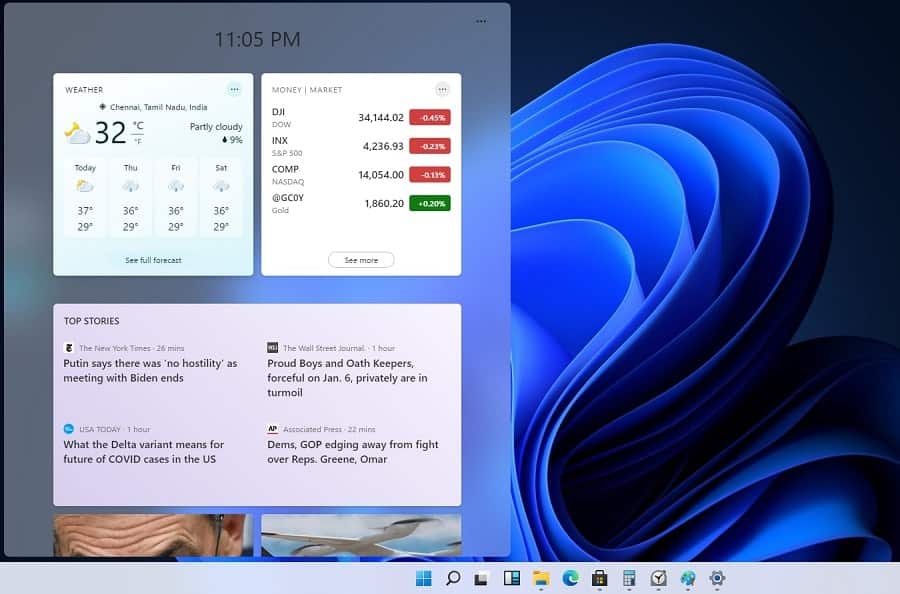
A new button in the taskbar will open a widget panel on Windows 11 with a to-do list, weather, traffic, calendar, and other basic widgets. This isn’t too different from how widgets work in macOS, available when you want to take a glance but disappearing when you don’t need them.
New Settings App On Windows 11
Windows 11 has introduced a new settings app for its users. When you launch Settings in Windows 11 you’re greeted with the System panel first. Its sleek, uncomplicated design makes finding a particular setting fairly easy.
Unlike Windows 10’s Settings, there’s no overview screen that shows all of the sections as a large menu of icons. Instead, a new sidebar has taken its place. The settings pages will be listed on the right side instead of the left. As you go through the pages, at the top, you will find the new breadcrumbs system to indicate your current location in the app. You can click each breadcrumb to jump back to a previous page.
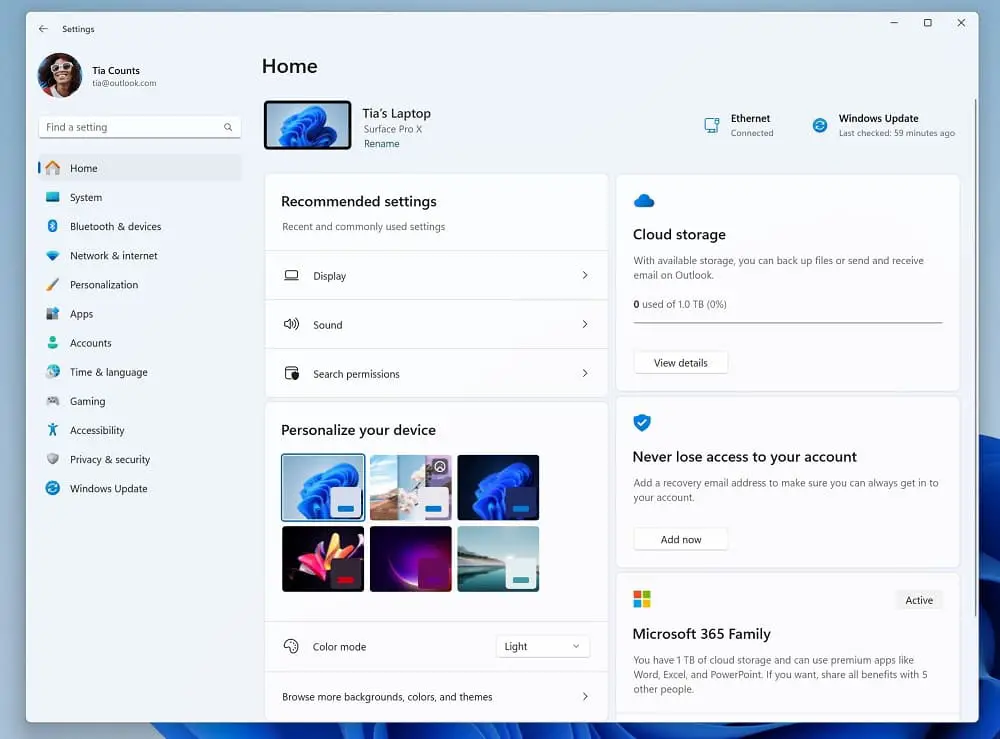
As long as the sidebar is visible, you’ll always have access to a search bar in Windows 11 Settings. Upon typing in a term, you’ll see a small pop-up menu below it with top suggestions. The Control Panel is still present in Windows 11, It includes a nearly identical layout to the Windows 10 Control Panel (with a few options changed here and there), but it uses new icons.
Improved Microsoft Teams Integration
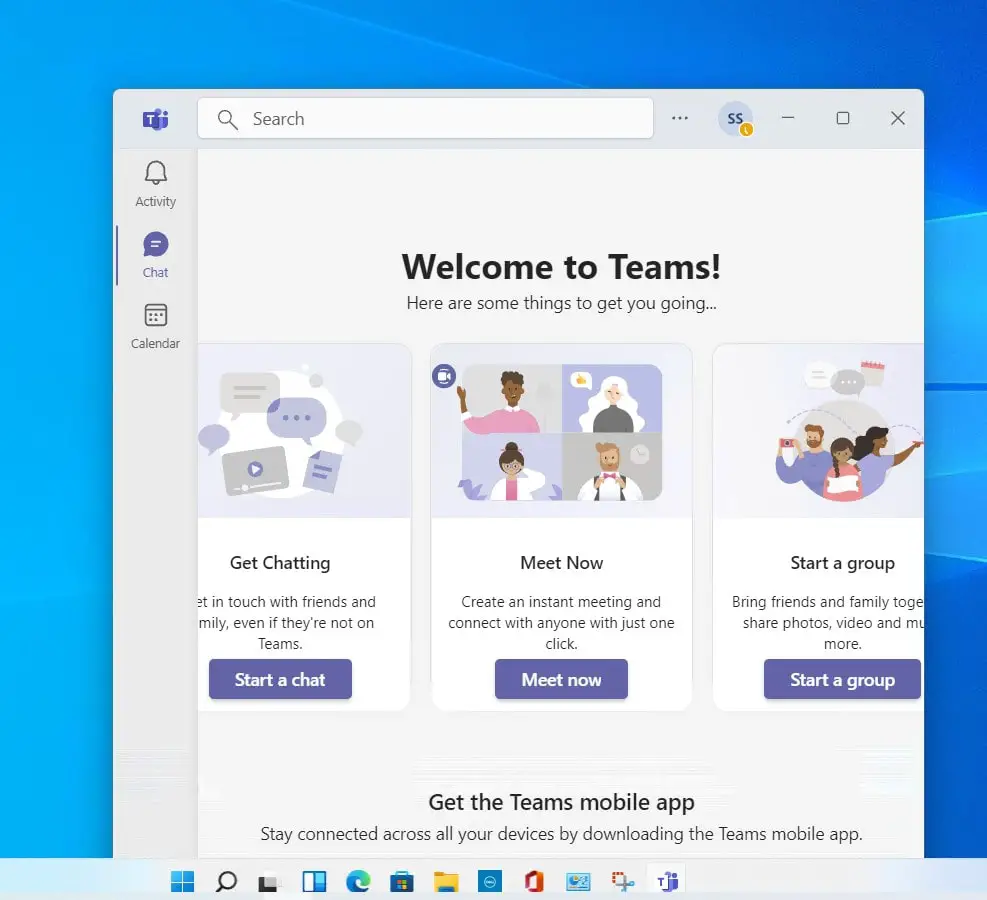
Microsoft Teams is now integrated directly within Windows 11, allowing you to chat with friends and colleagues easily.
In Windows 11, Teams will live in the Windows taskbar, and starting a call will be as simple as using FaceTime in MacOS. Teams will also become more accessible on Mac, iOS, Android and Windows PCs. The new button in the taskbar will replace the Skype Meet Now button from Windows 10. On Microsoft Teams In Windows 11 the Chat icon in the taskbar launches a list of your recent contacts where you can pick up a conversation where you left off, or start a new one. When you receive a message, you’ll even be able to reply directly to the notification itself.
Redesigned Microsoft store
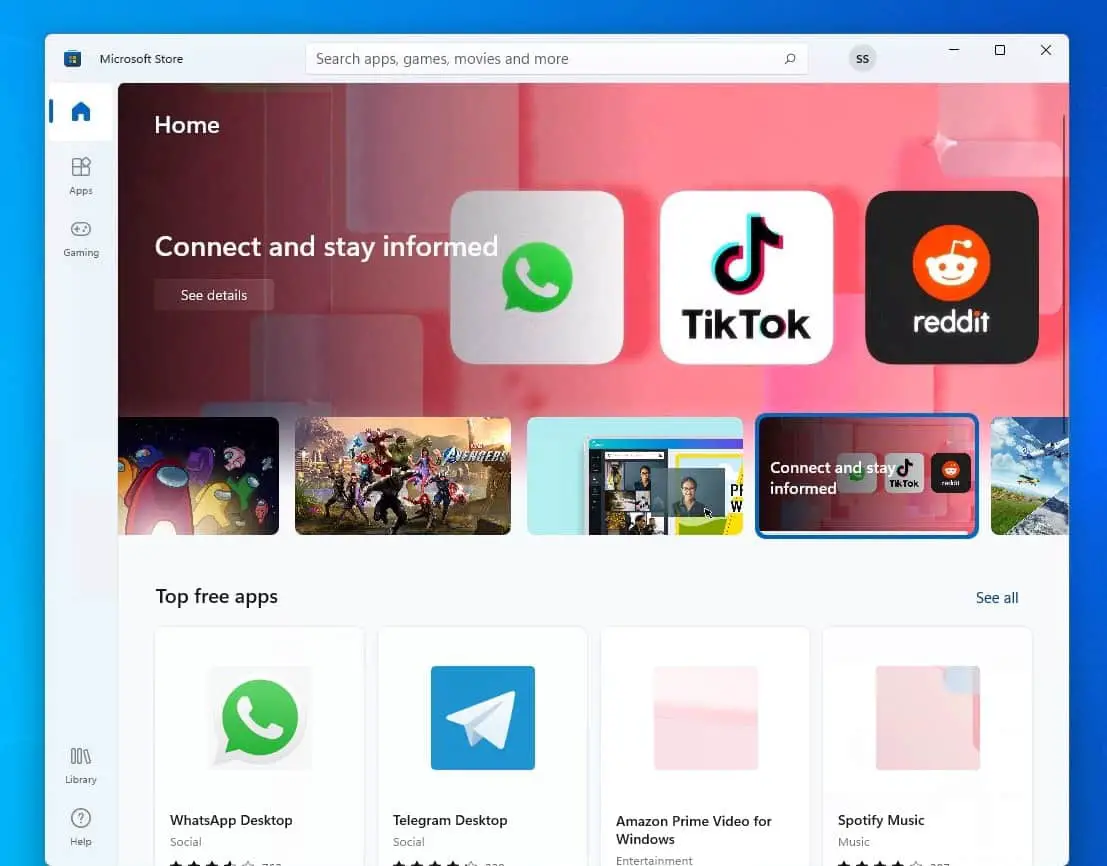
The Microsoft Store, which serves as a unified storefront for apps and other content, is also redesigned in Windows 11. Microsoft is extending that flexibility to everyone. Now app developers can upload win32 versions of apps, as well as any other app framework.
Several desktop apps, including Adobe Creative Cloud, Microsoft Teams, TikTok, Notepad and Paint are now available in the Store.
Modern File Explorer
The revamped File Explorer in Windows 11 offers a modernized user experience. It’s powered by the Windows App SDK and designed with WinUI, providing a fresh look and enhanced functionality.
- Modern Home Interface: The home interface showcases recommended files for Azure Active Directory (AAD) users in a carousel format. Thumbnail support for these files will be added soon.
- Quick Access, Favorites, and Recent Sections: These sections have been refreshed with a WinUI-based appearance, offering a more visually appealing and user-friendly layout.
- Address Bar Improvements: The new address bar now distinguishes between local and cloud folders, and it includes integrated status icons. For OneDrive users, sync status and quota information is readily visible on the address bar.
- Revamped Details Pane: Accessible via ALT + Shift + P, the details pane provides relevant file information and enables collaboration without the need to open files. It displays thumbnails, share status, activity, related files, emails, and more.
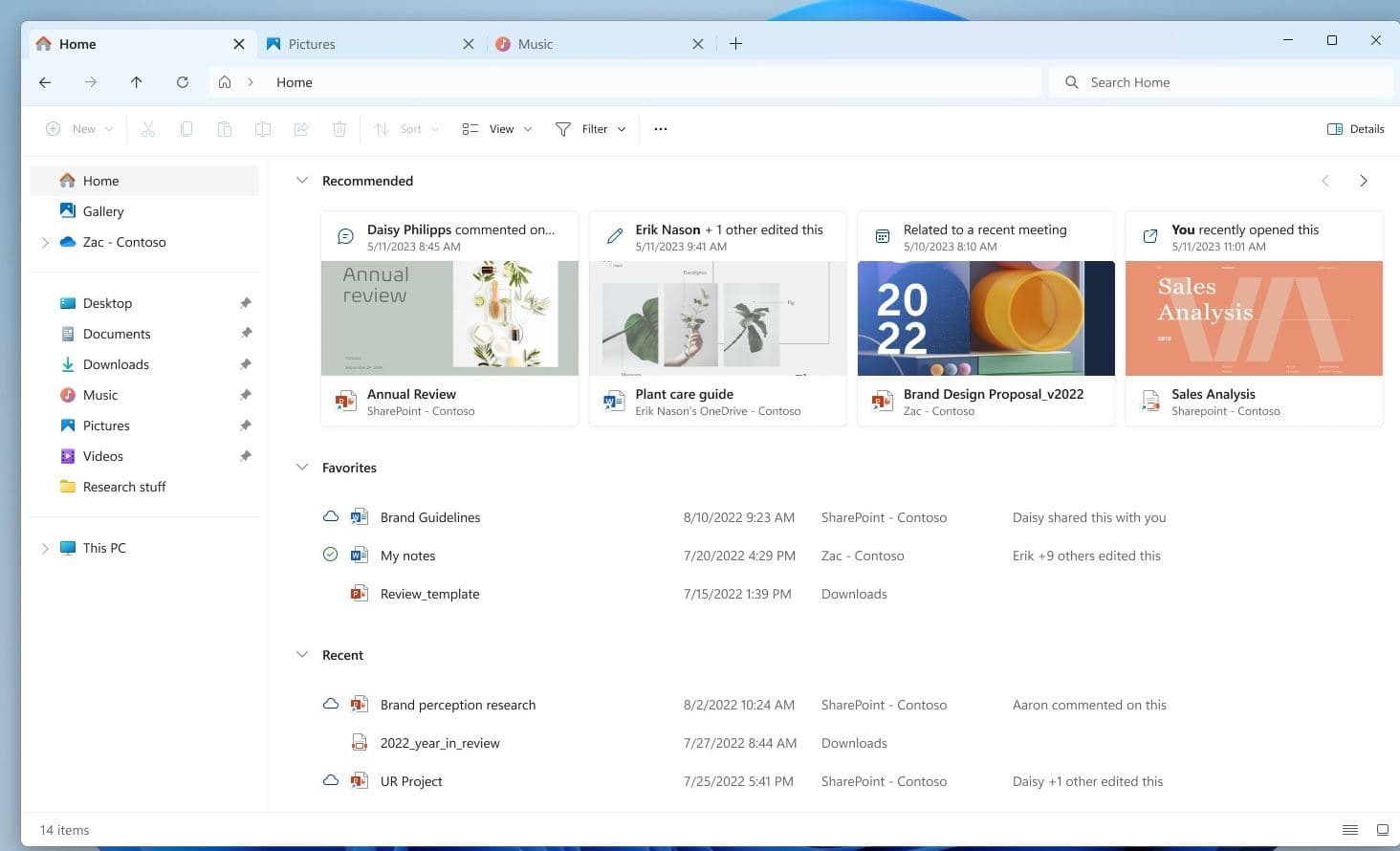
Compared to Windows 10, Windows 11’s File Explorer features a dramatically simplified toolbar. Gone is the complex, compartmentalized ribbon interface with tabbed “File,” “Edit,” and “View” options, while its context menus have been redesigned to move common tasks (such as copy and paste) to a toolbar along the top of the menu, and hide advanced operations under an overflow menu. The whole design of the Windows 11 file explorer was done using the Windows UI Library. Furthermore, on Windows 11 file explorer, there is an updated Share experience and scrollbar, and now the file manager integrates with the Windows Subsystem for Linux to allow you quick access to your Linux distros files.
Multiple Desktop On Windows 11
You will find that Windows 11 version 23H2 does a better job handling Windows on a multiple display setup. Windows 11 lets you more easily create separate virtual desktops for each part of your life, and customize them with different wallpapers, so you can create a desktop for personal use, work, school, gaming or anything else, and easily toggle between them.
You can manage your desktops by clicking the Desktops icon on the taskbar—it looks like two gray squares—which will display all your open programs and any virtual desktops you have created.
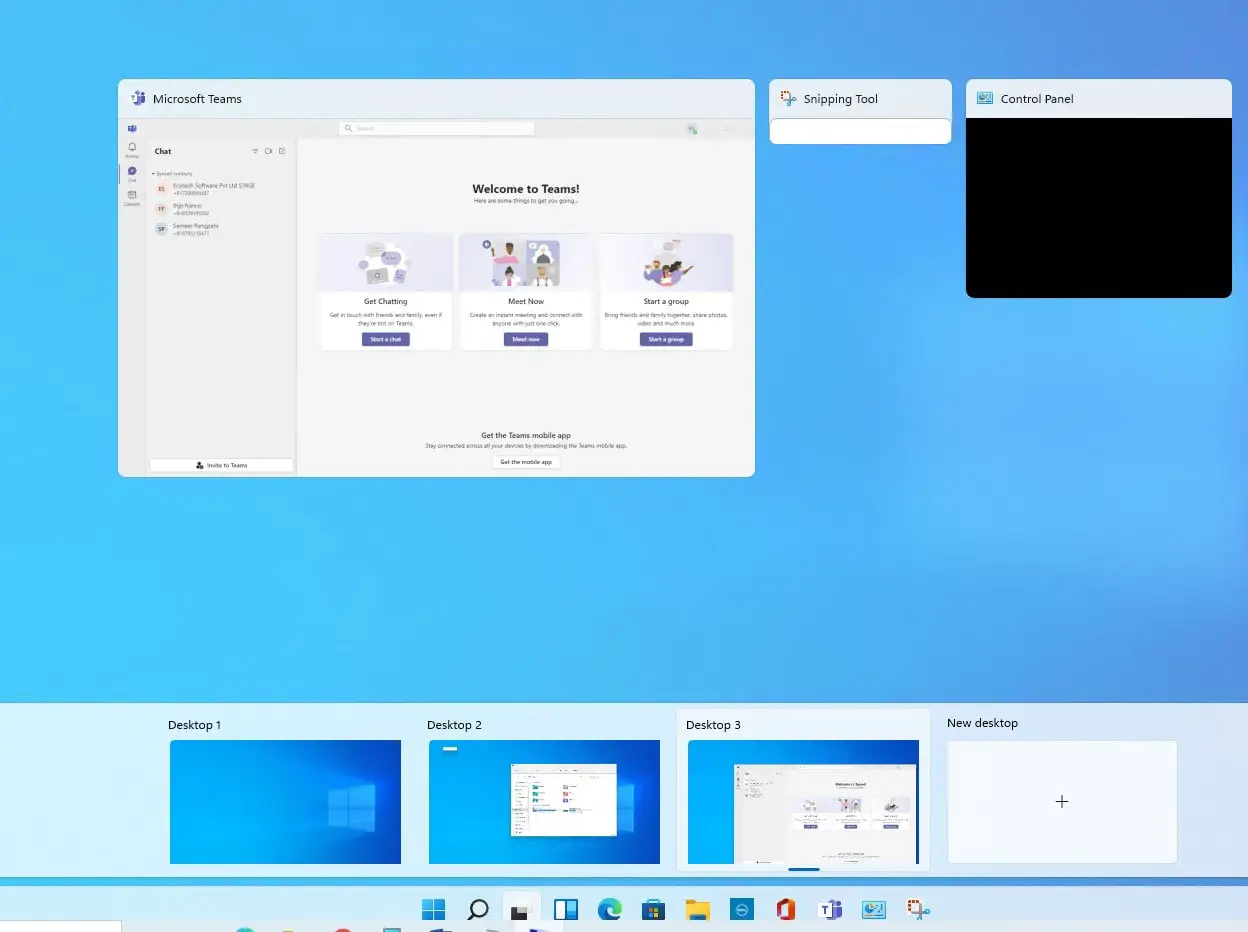
To create a new desktop on Windows 11, click the New Desktop button and a new desktop will be added to the list. (Or use the keyboard shortcut Win + Ctrl + D). Windows 11 lets you add a custom background to each Virtual Desktop. Right-click on a desktop, and select Choose Background to open the Backgrounds menu for that desktop. Choose a background or upload your own, and the background for that desktop will change, while other open desktops retain their original backgrounds.
Dictation With Auto Punctuation
It is one of the best features of Windows 11. The native voice typing tool in Windows 11 is a system-wide utility and works in all apps and environments, be it a browser, Notepad, or an Office app. The best part about voice typing in Windows 11 is that it comes with support for “Auto punctuation“, and again, it works really well. Keep in mind, you will need an active internet connection for voice typing to work. When Voice Typing for the first time on Windows 11, you’d have to turn on auto-punctuation. Go to the Voice to Typing pop-up, and click the ‘Settings’ (gear) icon within the box. A menu will pop up. Turn on the toggle switch next to ‘Auto-punctuation’.
Gaming Experience In Windows 11
Windows 11 could come with a decent upgrade to your device’s Wi-Fi capabilities, as Qualcomm announced it has worked with Microsoft to bring Wi-Fi Dual Station with Qualcomm 4-stream DBS technology to compatible machines. It will be particularly useful for gamers, as it will use multiple Wi-Fi bands at once to help reduce latency.
Windows 11 is also bringing some major improvements for gaming, including support for Auto-HDR for gaming, DirectStorage, and much more. Once you enable the feature, you will get a more immersive and realistic gaming experience with an increased range of color and luminance in more than 1000 DirectX 11 and DirectX 12 PC games. This is one of the biggest features on Windows 11, However, it’s only supported on specific hardware, i.e, you will need a monitor that supports HDR.
The Xbox app also enables Game Pass subscribers to stream games from the cloud via the company’s xCloud technology. The app provides access to your library of games purchased through the Xbox Store, including those that are a part of Microsoft’s wildly popular Game Pass subscription.
System Security On Windows 11
The new set of hardware security requirements that comes with Windows 11 is designed to build a foundation that is even stronger and more resilient to attacks.” Microsoft says Windows 11 will have improved capability to deliver chip-to-cloud zero trust protection by requiring Trusted Platform Module version 2.0. As part of the minimum system requirements, Windows 11 only runs on devices with a Trusted Platform Module 2.0 security coprocessor. With hardware-based isolation security that begins at the chip, Windows 11 stores sensitive data behind additional security barriers, separated from the operating system. As a result, information including encryption keys and user credentials are protected from unauthorized access and tampering.
Features introduced in Windows 11 version 23H2
Windows Copilot AI assistant
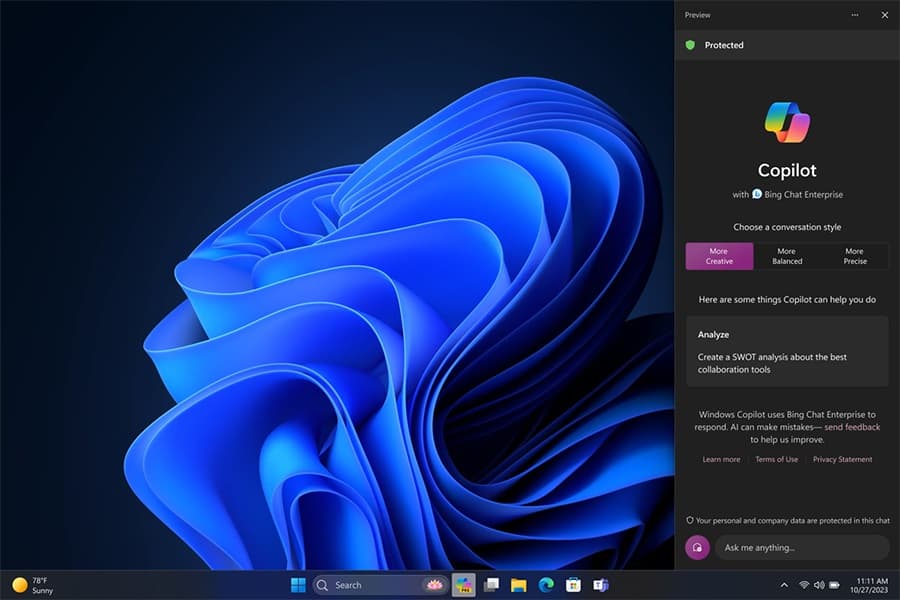
Windows Copilot is a new AI assistant integrated into Windows 11, combining Bing Chat and plugins. It offers assistance through a sidebar accessible from the taskbar, helping users with tasks across all applications. While promising, the current version feels like a web wrapper and may have performance issues. Native integration could lead to a more seamless and reliable experience.
To open Windows Copilot, simply click on the icon on the left side of your screen. This menu will pop up, and you can choose the function you want to use.
Dynamic Lighting for Windows Users
Dynamic Lighting is a feature in Windows 11 that allows users and developers to control lighting devices using the open HID LampArray standard. This move towards an open standard aims to improve compatibility between RGB devices and software, enhancing the overall ecosystem.
Key points about Dynamic Lighting:
- Interoperability: It increases the compatibility of devices and applications by using an open standard for controlling RGB lighting.
- APIs for Developers: Dynamic Lighting provides APIs for Windows apps to control lighting devices, whether the app is in the foreground or background.
- Custom Settings Page: Users have access to a custom settings page to configure their HID LampArray devices.
- Device Partnerships: Major device manufacturers like Acer, ASUS, HP, HyperX, Logitech, Razer, and Twinkly have collaborated with Microsoft on this project.
- Compatibility Information: A list of currently compatible devices can be found on the Dynamic Lighting Hardware MS Learn page.
To configure a HID LampArray device, go to Settings > Personalization > Dynamic Lighting.
Windows Ink Enhancements
Users can now directly enable inking onto edit fields, which greatly improves recognition technology and includes a scratch-out gesture for making edits. This allows users to handwrite anywhere they can type on their Windows device.
- Currently, these enhancements are available in English (U.S.), but additional language support is on the way. To manage this experience, go to Settings > Bluetooth and devices > Pen and Windows Ink under “Shell Handwriting”.
- To provide feedback on this feature, use the Feedback Hub (WIN + F) under Input and Language > Pen input.
Enhanced Volume Mixer in Quick Settings
Windows 11 23H2 introduces an enhanced volume mixer in Quick Settings, enabling users to quickly customize audio on a per-app basis and switch devices on the fly.
- A new keyboard shortcut (WIN + CTRL + V) provides fast access to the volume mixer. It also includes a convenient list of installed spatial sound technology and suggests additional options like Dolby and DTS from the Microsoft Store.
Revamped Windows Spotlight Experience
- The upgraded Windows Spotlight offers a more immersive experience with preview images, full-screen views, and multiple opportunities to learn more about each image.
- Users can activate it by right-clicking the Spotlight icon on the desktop or by choosing the new Spotlight theme in the “Personalize your background” dropdown in Settings > Personalization > Background.
- For feedback on this feature, use the Feedback Hub (WIN + F) under Desktop Environment > Windows Spotlight.
Striving for a Passwordless Future
- Microsoft is working to eliminate the need for passwords. You can now create and sign in using passkeys with the Windows Hello native experience for any app or website that supports them.
- Windows 11 also allows you to manage passkeys saved to your Windows device, giving you control to view and delete any passkey from the device.
- For feedback on this feature, use the Feedback Hub (WIN + F) under Security and Privacy > Passkey.
Warnings for Unsafe Password Copy and Paste
- Enhanced Phishing Protection in Microsoft Defender SmartScreen now protects school or work passwords against phishing and unsafe usage on sites and apps.
- Users who have enabled warning options for Windows Security will receive a warning when performing an unsafe password copy and paste operation.
- For feedback on this feature, use the Feedback Hub (WIN + F) under Security and Privacy > Microsoft.
Narrator Natural Voices
- Windows 11 introduces fresh natural voices for Narrator users in various languages including Chinese, Spanish, Japanese, and English. These voices provide a smooth browsing, reading, and writing experience.
- These voices are available offline once downloaded. To use them, access Narrator Settings with WIN + Ctrl + N and follow the steps provided.
- For feedback on this feature, use the Feedback Hub (WIN + F) under Accessibility > Narrator.
Local File Sharing Improvements
- Windows has made notable improvements to local file sharing with updates to the Windows share window and nearby sharing.
- These include a new design in line with Windows 11 principles, an integrated Outlook option for emailing files, a search box for contacts, suggested contacts, a button for nearby sharing, and faster file sharing between PCs via Wi-Fi Direct.
- These experiences apply to sharing local files from various apps that use the built-in Windows share window.
Also read:
- Laptop Overheating While Playing Game? Here how to cool it down
- Discord not working on Windows 10, 8 or 7? Here quick solution
- Solved: Windows 10 brightness slider not working or Grayed out
- HP Printer showing offline? Let’s change Printer status from Offline to Online
- Why is my computer running so slow? Reasons with Easy Solutions


