
Microsoft has started rolling out Windows 11 version 26H2, the 2026 feature update, to eligible Windows 11 devices. For PCs running Windows 11 24H2 or 25H2, the upgrade is delivered through a small enablement package rather than a full operating system replacement. However, Windows Update can sometimes fail to download or install the update. If you see “Windows 11 version 26H2 failed to install” along with Download error – 0x800f0806, the problem can be related to corrupted Windows Update components, missing update files, system file corruption, or other update-related issues. In this guide, we’ll show you how to fix the Windows 11 26H2 “failed to install” error 0x800f0806 and install the latest Windows update successfully.
Why Does the Windows 11 26H2 Update Fail?
The Windows 11 26H2 update can fail to download or install for several reasons. Common causes include corrupted Windows Update files, damaged system files, insufficient storage space, network issues, or security software interfering with the update process.
- Corrupted Windows Update files: Previously downloaded update files may be incomplete or damaged, preventing Windows Update from continuing.
- Damaged system files: Corruption in Windows system components can cause the installation to fail.
- Insufficient storage: Windows needs enough free space to download and install the update successfully.
- Internet connection problems: An unstable connection can interrupt the update download.
- Third-party security software: Some antivirus or security applications can interfere with the Windows Update process.
- Windows Update service problems: If required update services are not working correctly, Windows may fail to download or install 26H2.
Fix 1: Run the Windows Update Troubleshooter
Windows includes a built-in troubleshooter that can detect and fix common problems with Windows Update. It can check related services, configuration issues, and other problems that may prevent Windows 11 26H2 from downloading or installing.
- Press Windows + I to open Settings.
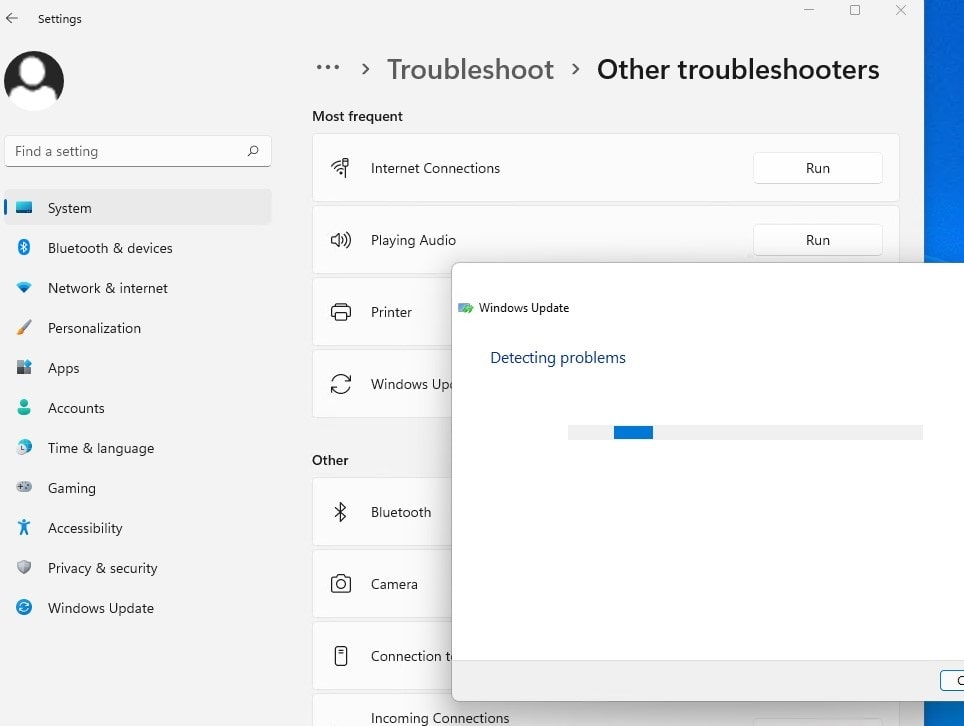
- Go to System > Troubleshoot > Other troubleshooters.
- Find Windows Update and click Run.
- Follow the recommended steps if Windows detects a problem.
- Restart your PC when finished.
- Go to Settings > Windows Update and select Check for updates.

Try installing Windows 11 version 26H2 again and check whether the 0x800f0806 error is resolved.
Fix 2: Restart Windows Update Services
Windows Update depends on several background services to download and install updates. If one of these services is stuck or fails to start correctly, Windows 11 26H2 may return error 0x800f0806.
Restart the Windows Update service and related services to refresh the update process.
- Press Windows + R, type
services.msc, and press Enter. - Find Windows Update.
- Right-click it and select Restart.


- Also restart Background Intelligent Transfer Service (BITS).
- Restart Cryptographic Services.
- Close the Services window.
- Restart your PC.
- Go to Settings > Windows Update and select Check for updates.
Try downloading and installing Windows 11 26H2 again.
Fix 3: Check Your Internet Connection
Because 0x800f0806 can appear while Windows Update is downloading or preparing update files, it’s worth checking your network connection before trying the upgrade again. First, make sure websites and other online services are working normally. If the connection is unstable, restart your router and reconnect your PC to the network.
- Open a few websites to confirm your connection is stable.
- Restart your router if the connection is intermittent.
- Temporarily disconnect from a VPN.
- Check Settings > Network & internet > Proxy and disable a proxy you don’t use.
- Restart your PC and try Settings > Windows Update > Check for updates again.
If the update still fails with Download error – 0x800f0806, move on to resetting the Windows Update cache.
Fix 4: Reset the Windows Update Cache
If the downloaded update files are corrupted or incomplete, Windows Update may repeatedly fail with 0x800f0806. Clearing the Windows Update cache forces Windows to create fresh update files.
- Press Windows + R, type
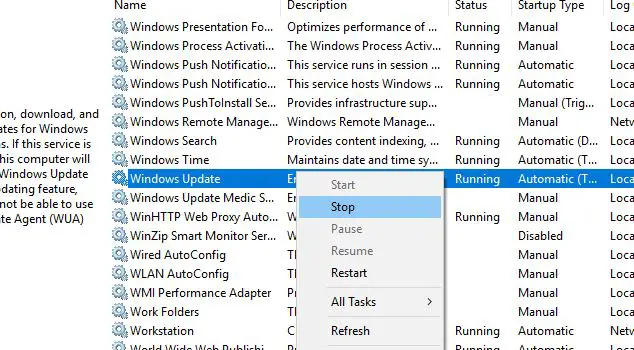
services.msc, and press Enter. - Find Windows Update, right-click it, and select Stop.

- Open File Explorer and go to:
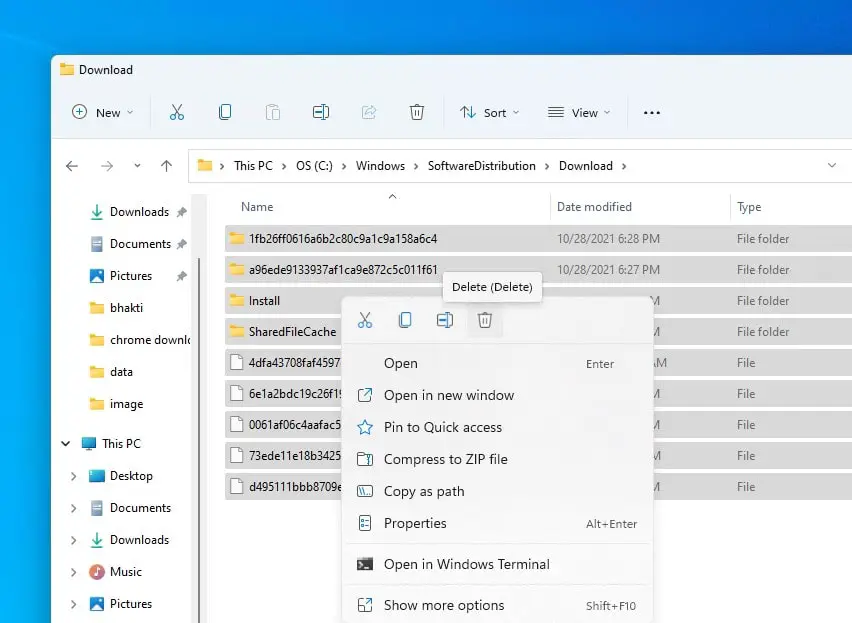
C:\Windows\SoftwareDistribution\Downloads - Delete the contents of the Downloads folder. You can leave the folder itself in place.

- Return to Services and restart Windows Update.
- Restart your PC.
- Go to Settings > Windows Update and select Check for updates.
Windows will rebuild the update cache and download fresh files. Try installing Windows 11 26H2 again.
Fix 5: Repair Corrupted System Files with DISM and SFC
Damaged Windows system files can interfere with installing feature updates such as Windows 11 26H2. Windows includes DISM and System File Checker (SFC) to repair these components.
- Open Start and search for Command Prompt.
- Right-click it and select Run as administrator.
- Run this command:
DISM /Online /Cleanup-Image /RestoreHealth- Wait for the scan to finish. It can take some time.
- Then run:
sfc /scannow- Once both commands finish, restart your PC.
- Go to Settings > Windows Update and select Check for updates.


Try installing Windows 11 26H2 again. If corrupted system components were causing the problem, repairing them may allow the update to complete successfully.
Fix 6: Make Sure You Have Enough Free Storage
Windows needs sufficient free space to download temporary files and complete the installation. If your system drive is nearly full, the Windows 11 26H2 update may fail or pause during installation.
To check and free up space:
- Press Windows + I to open Settings.
- Go to System > Storage.
- Check how much free space is available on your Windows drive.
- Open Temporary files and remove files you no longer need.
- Empty the Recycle Bin and remove large, unused files or applications.
- Restart your PC and try Windows Update again.
If storage was the cause, freeing up space should allow Windows Update to download and install 26H2 normally.
Fix 7: Temporarily Disable Third-Party Antivirus
Third-party antivirus or security software can sometimes interfere with Windows Update by blocking files or system changes required during the upgrade.
If you have a third-party antivirus installed, temporarily disable its real-time protection and then try the update again.
- Open your third-party antivirus program.
- Temporarily disable its real-time protection or similar security feature.
- Restart the PC.
- Go to Settings > Windows Update.
- Select Check for updates and try installing Windows 11 26H2 again.
If the update installs successfully, turn your antivirus protection back on immediately after Windows finishes updating.
Note: Windows Security remains available on supported Windows 11 systems, so you don’t need to leave your PC unprotected after testing this step. If disabling the antivirus makes no difference, re-enable it and move to the next fix.
Fix 8: Reset Windows Update Components Using Command Prompt
If the previous fixes haven’t resolved Windows 11 26H2 failed to install error 0x800f0806, resetting the main Windows Update components can help. This clears the update cache and re-registers the services Windows uses to download and install updates.
- Search for Command Prompt from Start.
- Right-click it and select Run as administrator.
- Run these commands one at a time:
net stop wuauserv
net stop bits
net stop cryptsvc
net stop msiserver- Rename the Windows Update cache folders:
ren C:\Windows\SoftwareDistribution SoftwareDistribution.old
ren C:\Windows\System32\catroot2 catroot2.old- Start the services again:
net start wuauserv
net start bits
net start cryptsvc
net start msiserver- Restart your PC.
- Open Settings > Windows Update and select Check for updates.
Windows will create fresh copies of the update folders and services. Try downloading Windows 11 version 26H2 again.
Fix 9: Install Windows 11 26H2 Using Installation Assistant
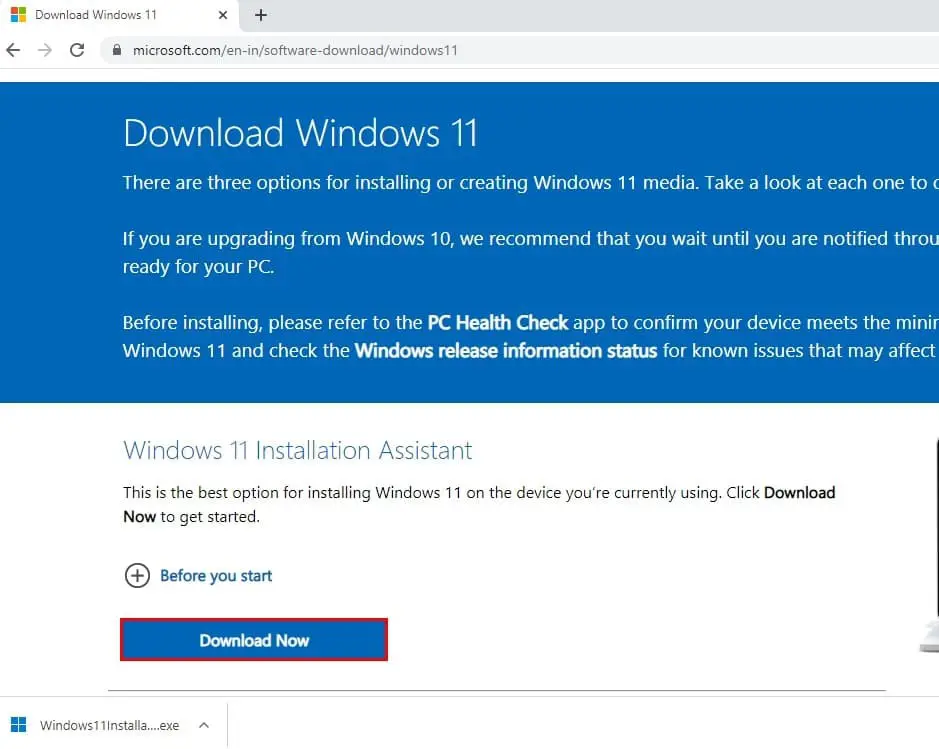
If Windows Update continues to fail with 0x800f0806, Microsoft’s Windows 11 Installation Assistant provides another way to upgrade a compatible PC. Download the latest Installation Assistant from Microsoft’s official Windows 11 download page and run it. The tool checks your device and guides you through the upgrade process.
- Open Microsoft’s Windows 11 download page.
- Download the Windows 11 Installation Assistant.

- Run the downloaded tool as administrator.
- Follow the on-screen instructions.
- Allow Windows to download the required files.
- Restart your PC when prompted to complete the upgrade.

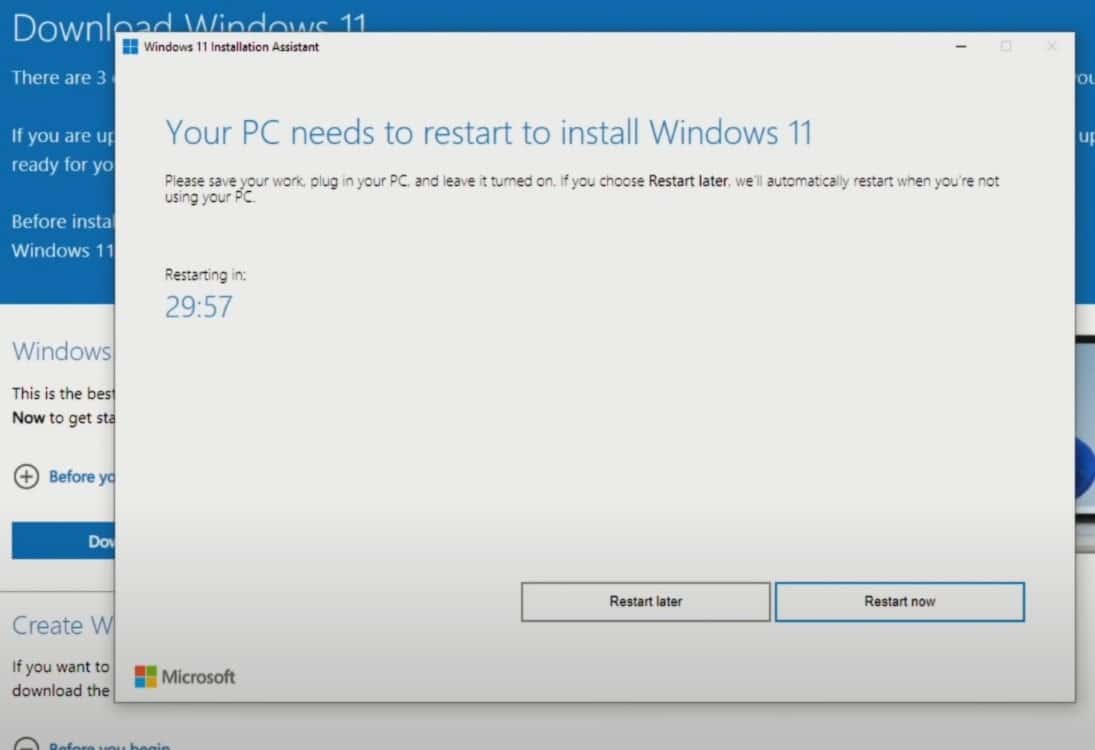
After Windows starts again, press Windows + R, type winver, and press Enter to confirm that your system is running Windows 11 version 26H2.
Important: Installation Assistant should not be used to bypass a compatibility safeguard. If Microsoft has temporarily blocked the 26H2 upgrade on your device due to a known compatibility issue, wait until the hold is lifted.
If the update is still unavailable, Microsoft may be applying a compatibility safeguard hold to your device. In that situation, forcing the upgrade may not be appropriate until the issue is resolved.
Frequently Asked Questions
The 0x800f0806 error can occur when Windows Update has corrupted or incomplete update files, damaged system components, or problems with the update services. Network problems and insufficient storage can also interfere with the update process.
Start by running the Windows Update Troubleshooter and restarting the Windows Update services. If that doesn’t help, reset the Windows Update cache and run DISM and SFC to repair corrupted system files. The more advanced fixes in this guide can be used if the error continues.
Windows 11 26H2 may fail to install due to corrupted update files, system file corruption, insufficient storage, network issues, or problems with Windows Update components. A compatibility safeguard may also prevent the update from being offered to some devices.
Yes. Microsoft provides other installation methods for compatible PCs, including the Windows 11 Installation Assistant and installation media. However, if Windows Update has placed a compatibility safeguard on the device, you should resolve or wait for that issue rather than bypassing the safeguard.
No. The error generally indicates that Windows Update could not complete the required download or installation process. It does not by itself mean that your Windows installation is permanently damaged. The troubleshooting steps above can often resolve the underlying update problem.