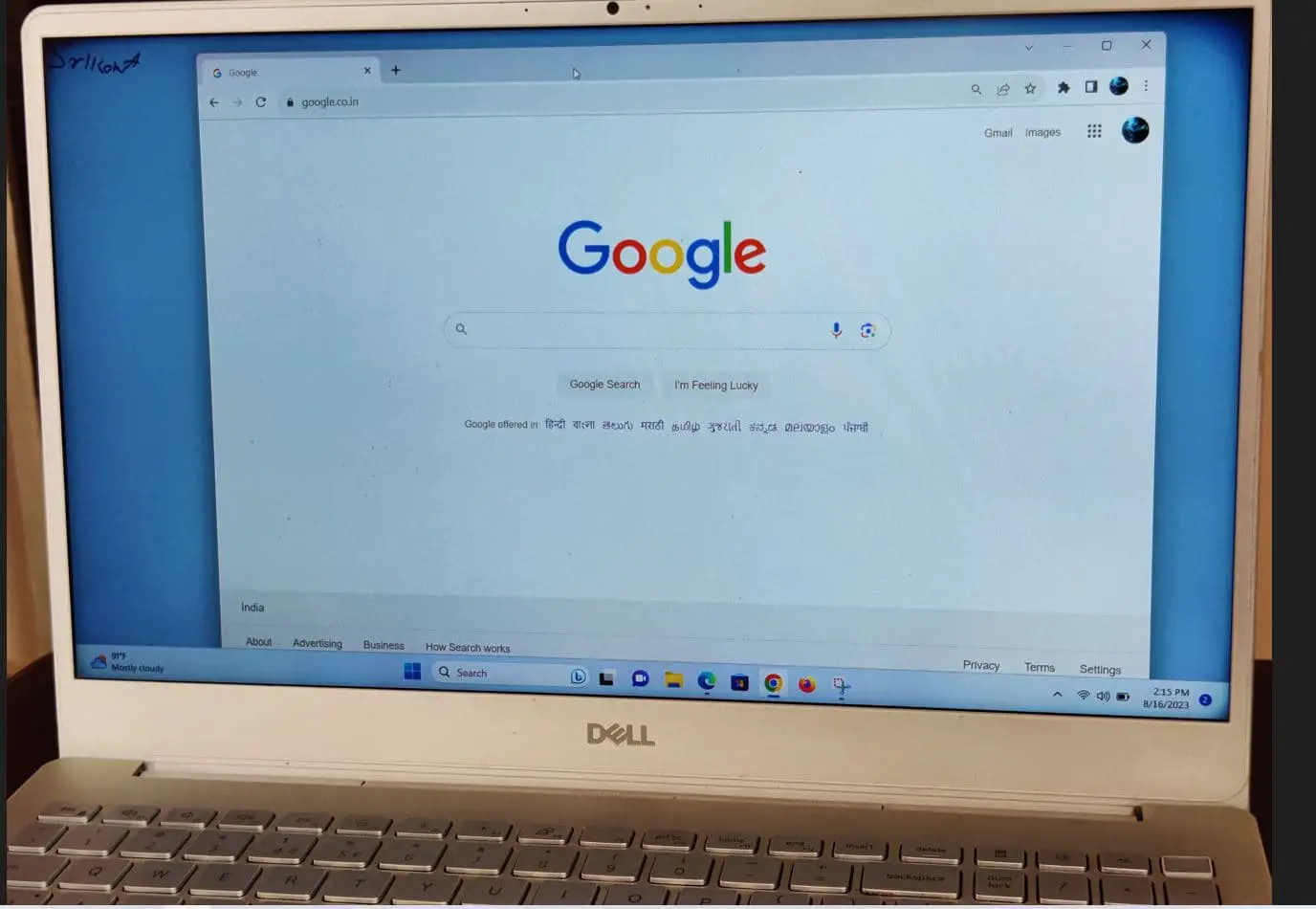
YouTube is one of the most popular platforms for watching videos, listening to music, and streaming content. However, you may sometimes find that YouTube stops working in Google Chrome on your Windows 11 PC. Videos may refuse to play, get stuck on the loading screen, display a black screen, or show playback errors. In some cases, YouTube opens normally, but clicking a video does nothing. This problem can occur because of a corrupted browser cache, faulty extensions, an outdated version of Chrome, or an unstable internet connection. Hardware acceleration and outdated graphics drivers can also cause playback problems on some PCs. Whatever the reason, here are 7 practical solutions to fix it and watch YouTube videos on Chrome without any problems.
Why Is YouTube Not Working in Chrome on Windows 11?
YouTube may stop working in Google Chrome for several reasons, whether videos fail to load, playback keeps buffering, or the player shows a black screen. Sometimes, a slow internet connection or YouTube servers down causes it. In other cases, Chrome’s settings or stored browser data may interfere with video playback.
- Unstable internet connection: A slow or interrupted connection can prevent YouTube videos from loading or cause constant buffering.
- Corrupted browser cache: Outdated or damaged cached files and cookies can interfere with YouTube’s website functionality.
- Faulty Chrome extensions: Ad blockers and other extensions may interfere with YouTube’s video player or page scripts.
- Outdated Google Chrome: Browser bugs or compatibility issues can sometimes affect video playback.
- Hardware acceleration problems: Chrome’s use of graphics hardware may cause a black screen, video glitches, or playback issues on some systems.
- DNS or network problems: Incorrect DNS settings or network configuration issues can prevent YouTube from connecting properly.
- Graphics driver issues: An outdated or faulty display driver may contribute to video rendering problems.
1. Check Your Internet Connection and Restart Chrome
Before changing Chrome settings, make sure your internet connection is working properly. YouTube needs a stable connection to load videos, and even a brief network interruption can leave the player spinning, stuck on a black screen, or showing a playback error.
- Open a new Chrome tab and visit another website to see whether it loads normally.
- If other websites are also slow or fail to load, disconnect and reconnect to your Wi-Fi network. If you’re using Ethernet, check that the cable is securely connected.
- If the connection remains unstable, restart your router.
- Close Chrome completely, reopen it, and try playing the YouTube video again.
- If YouTube still doesn’t work, open it in Microsoft Edge to see whether the problem is limited to Chrome.

If YouTube works in Edge but not in Chrome, the issue may be related to Chrome’s cache, extensions, or browser settings. If YouTube fails in both browsers while other websites work, check whether YouTube itself is experiencing a service disruption.
2. Clear Chrome’s Cached Data and Cookies
Chrome stores cached files and cookies to speed up page loading and remember your preferences. However, corrupted or outdated website data can sometimes prevent YouTube from loading correctly, playing videos, or displaying its controls.
- Open Google Chrome and press Ctrl + Shift + Delete.
- Select All time from the time range menu.
- Check Cached images and files.
- Select Cookies and other site data if you also want to remove stored YouTube cookies.
- Click Delete data.
- Close and reopen Chrome, then visit YouTube and try playing a video.

Clearing cookies may sign you out of YouTube and other websites, so make sure you know your login details before selecting that option.
3. Disable Chrome Extensions
Chrome extensions can add useful features, but some may interfere with YouTube’s video player or prevent parts of the website from loading. Start by checking ad blockers, privacy extensions, and video-related tools.
Here’s how to test whether an extension is causing the problem:
- Open Chrome and click the three-dot menu in the upper-right corner.
- Select Extensions > Manage Extensions.
- Turn off your extensions, starting with ad blockers and other tools that modify websites.
- Open YouTube in a new tab and reload the page.
- Try playing a video.

If YouTube works after disabling the extensions, turn them back on one at a time and test playback after each one. This helps you identify the extension causing the issue.
You can then leave the problematic extension disabled, remove it, or check for an update.
4. Update Google Chrome
An outdated browser can contain bugs or compatibility issues that affect video playback. Chrome receives regular updates that address security issues, improve performance, and fix browser problems, so checking for updates is a useful troubleshooting step.
- Open Chrome and click the three-dot menu.
- Select Help > About Google Chrome.
- Wait while Chrome checks for available updates.
- If an update is available, allow it to download and install.
- Click Relaunch if prompted.
- Open YouTube and check whether videos play normally.

If Chrome is already up to date, restart the browser and test YouTube again.
5. Turn Off Hardware Acceleration in Chrome
Chrome uses hardware acceleration to offload certain graphics and video-processing tasks to your computer’s GPU. Although this can improve performance, graphics driver problems or compatibility issues may cause a black screen, flickering, or videos that refuse to play.
To test whether hardware acceleration is responsible:
- Open Chrome and click the three-dot menu.
- Select Settings.
- Click System in the left sidebar.
- Turn off Use graphics acceleration when available. The wording may vary slightly by Chrome version.
- Click Relaunch if prompted.
- Open YouTube and test video playback.

If YouTube starts working, the issue may involve Chrome’s interaction with your graphics hardware or driver. You can temporarily disable hardware acceleration while checking for graphics driver updates.
6. Flush DNS and Reset the Network Connection
If YouTube still won’t load properly even though other websites work, a DNS or network configuration issue may be the cause. Flushing the DNS cache clears locally stored name-resolution records so Windows can request fresh ones.
First, flush the DNS cache:
- Open the Start menu and type
cmd. - Select Run as administrator under Command Prompt.
- Enter the following command and press Enter:
ipconfig /flushdns

- Wait for Windows to confirm that the DNS resolver cache was flushed.
- Restart Chrome and try opening YouTube again.
If the problem continues, restart your router and reconnect to the network.
You can also try switching to a trusted DNS service, such as Google Public DNS, if you suspect your current DNS provider is having problems. However, changing DNS will not fix issues caused by Chrome extensions, browser settings, or a YouTube service disruption.
7. Change Your DNS Server
If YouTube fails to load because of a DNS resolution problem, switching to a reliable public DNS server may help. Try Google Public DNS or Cloudflare DNS.
Here’s how to change your DNS settings in Windows 11:
- Press Windows + I to open Settings.
- Go to Network & internet and select your active Wi-Fi or Ethernet connection.
- Open Hardware properties or the connection’s DNS settings, depending on your Windows version.
- Next to DNS server assignment, click Edit.
- Select Manual, enable IPv4, and enter one of these DNS configurations.
Google Public DNS
- Preferred DNS:
8.8.8.8 - Alternate DNS:
8.8.4.4
Cloudflare DNS
- Preferred DNS:
1.1.1.1 - Alternate DNS:
1.0.0.1
- Save the changes and reopen Chrome.
- Visit YouTube and check whether videos load correctly.

8. Update Your Graphics Driver
If YouTube shows a black screen, visual glitches, or fails during playback, your graphics driver may be causing the problem. The driver helps Windows and Chrome communicate with your graphics hardware, so an outdated or faulty driver can sometimes affect video rendering.
Here’s how to check for driver updates:
- Press Windows + X and select Device Manager.
- Expand Display adapters.
- Right-click your graphics device (e.g., Intel, NVIDIA, or AMD).
- Select Update driver.
- Choose Search automatically for drivers and follow any instructions.
- Restart your PC and test YouTube in Chrome again.

If Windows doesn’t find a newer driver, check your computer manufacturer’s website or the official Intel, NVIDIA, or AMD support website for a compatible update.
If the problem started after a graphics driver update, open the device’s Properties, select the Driver tab, and check whether Roll Back Driver is available.
If YouTube Still Doesn’t Work
If none of these fixes resolves the problem, test YouTube in an Incognito window and check whether the same issue occurs in another browser. You can also check whether YouTube is experiencing a service disruption.
If YouTube works in Incognito mode, an extension or stored browser data may be responsible. If it works in another browser but not in Chrome, consider resetting Chrome’s settings as a last resort. This restores many browser settings to their defaults without deleting bookmarks or saved passwords, although some settings and extensions may be affected.
Frequently Asked Questions
YouTube may fail to work in Chrome because of a corrupted browser cache, faulty extensions, an unstable internet connection, or outdated browser software. Hardware acceleration and graphics driver problems can also cause black screens or video playback errors.
YouTube may keep buffering because of a slow internet connection, network interruptions, or high video quality settings. Test another website, restart your router if needed, and lower the YouTube playback quality to see whether buffering improves.
A black screen may result from hardware acceleration problems, graphics driver issues, or an extension interfering with video playback. Try disabling hardware acceleration, temporarily turning off extensions, and updating your graphics driver.
Start by checking your internet connection and restarting Chrome. If videos still won’t play, clear cached browser data, disable extensions, update Chrome, and test hardware acceleration. These steps can help identify common causes of playback problems.
If YouTube works in Microsoft Edge but not in Chrome, the problem may be related to Chrome’s extensions, cached data, cookies, or browser settings. Try opening YouTube in an Incognito window and disabling extensions to identify the cause.