Sedlauncher.exe causing high disk usage in Windows 11 Task Manager

If your Windows 11 computer suddenly becomes slow and Task Manager shows Sedlauncher.exe using a large amount of disk resources, you’re not alone. Many users report high disk usage, system lag, slow startup times, or unresponsive applications while the Sedlauncher.exe process runs in the background.

Sedlauncher.exe (also known as Windows Remediation Service) is a legitimate Microsoft process that is part of Windows Update. Its primary role is to prepare your PC for feature updates and improve the reliability of the Windows update process. However, in some cases, Sedlauncher.exe may use excessive disk, CPU, or memory resources due to ongoing Windows updates, corrupted update files, background maintenance tasks, update repair operations, or issues with Windows Update components. When this happens, your computer may feel sluggish, take longer to respond, or experience unusually high resource usage.

In this guide, you’ll learn why Sedlauncher.exe causes high disk usage and the most effective ways to reduce resource consumption and restore normal Windows 11 performance.

What is Sedlauncher.exe in Windows 11?

Sedlauncher.exe is a legitimate Microsoft process that is part of the Windows Update system. It is installed alongside the Windows Remediation Service and is designed to help Windows prepare for feature updates, repair update components, and improve the overall reliability of the update process.

You may notice Sedlauncher.exe running in the background after installing Windows updates or during maintenance tasks related to updates. During this time, the process may temporarily use disk, CPU, memory, or network resources.

The purpose of “SedLauncher.exe” is to help Microsoft deliver feature updates correctly and efficiently to Windows 11 users.

Is Sedlauncher.exe Safe?

Yes. In most cases, Sedlauncher.exe is completely safe and is not a virus or malware.

The legitimate Sedlauncher.exe file is usually located in:

C:\Program Files\rempl

If the file is running from a different location or consuming unusually high resources for an extended period, it may be worth running a security scan to rule out malware.

For most users, however, Sedlauncher.exe is simply a Windows Update component doing its job in the background.

Why Is Sedlauncher.exe Using So Much Disk?

If Sedlauncher.exe is showing high disk usage in Task Manager, it usually means Windows 11 is performing update-related tasks in the background. In many cases, this activity is normal and temporary, especially after installing a Windows update.

Sedlauncher.exe may use significant disk resources while:

  • Downloading Windows update files
  • Preparing your PC for a feature update
  • Repairing Windows Update components
  • Running maintenance tasks in the background
  • Completing pending updates that were not finished earlier

Because these tasks involve reading and writing large amounts of data, disk usage can temporarily spike, particularly on older PCs and systems that use traditional hard drives (HDDs).

However, if the process continues running for several hours, repeatedly causes 100% disk usage, or noticeably slows down your computer, there may be a problem with Windows Update that needs attention. The solutions below will help determine whether the activity is normal and show you how to reduce excessive disk usage if the problem persists.

Method 1: Wait for the Process to Finish

Before trying advanced troubleshooting steps, give Sedlauncher.exe some time to complete its work.

In many cases, high disk usage is temporary and occurs because Windows 11 is downloading updates, preparing your PC for a feature update, or repairing update components in the background. During this process, Sedlauncher.exe may use a large amount of disk resources for a short period.

This is especially common:

  • After installing Windows updates
  • After upgrading to a new Windows 11 version
  • On computers using traditional hard drives (HDDs)
  • When Windows is performing maintenance tasks

Open Task Manager and monitor the disk usage for 15 to 30 minutes. If the usage gradually decreases and system performance improves, the process is likely completing a normal Windows Update task.

However, if Sedlauncher.exe continues causing high disk usage on Windows 11 for several hours or repeatedly returns after every restart, continue with the troubleshooting methods below.

Method 2: Restart Your Computer

If Sedlauncher.exe continues using a large amount of disk resources, a simple restart may help. Restarting Windows 11 can clear temporary glitches, stop stuck update processes, and restart Windows Update services that may not be functioning correctly.

Sometimes Sedlauncher.exe remains active because a previous update did not finish properly or a background update task became stuck. Restarting your PC often allows Windows to complete these tasks normally.

To restart your computer:

  1. Click the Start button
  2. Select the Power icon
  3. Click Restart

After Windows 11 restarts, wait a few minutes for startup processes to finish, then open Task Manager and check whether Sedlauncher.exe is still causing high disk usage.

Method 3: Run the Windows Update Troubleshooter

Because Sedlauncher.exe is closely related to Windows Update, problems with the update system can sometimes cause the process to use excessive disk resources. Running the Windows Update Troubleshooter can help detect and fix common update-related issues automatically.

To run the Windows Update Troubleshooter:

  1. Press Windows + I to open Settings
  2. Go to System, then select Troubleshoot
  3. Click Other troubleshooters
  4. Find Windows Update and Click Run
Windows 11 Settings showing the Windows Update troubleshooter window with the message Detecting problems

Windows will scan for common update problems and attempt to fix them automatically.

Once the troubleshooting process is complete, restart your computer and check Task Manager again to see if Sedlauncher.exe is still causing high disk usage.

Method 4: Check for Pending Windows Updates

Sedlauncher.exe often becomes active when Windows 11 is preparing, downloading, or repairing updates. If there are pending updates waiting to be installed, the process may continue using disk resources until those updates are completed.

Installing the latest updates can sometimes resolve high disk usage and prevent Sedlauncher.exe from repeatedly running in the background.

To check for Windows updates:

  1. Press Windows + I to open Settings
  2. Select Windows Update
  3. Click Check for updates
  4. Download and install any available updates
  5. Restart your computer if prompted

After the restart, allow Windows a few minutes to finish any background update tasks, then check Task Manager again.

Method 5: Clear the Windows Update Cache

Corrupted or incomplete Windows Update files can sometimes cause Sedlauncher.exe to run in the background and consume excessive disk resources. Clearing the Windows Update cache forces Windows to download fresh update files and can often resolve update-related issues.

Step 1: Stop Windows Update Services

  1. Press Windows + R
  2. Type services.msc and press Enter
  3. Find Windows Update
  4. Right-click it and select Stop

You can also stop the Background Intelligent Transfer Service (BITS) if it is running.

Step 2: Delete Cached Update Files

  1. Open File Explorer
  2. Navigate to:C:\Windows\SoftwareDistribution
  3. Open the Download folder
  4. Delete all files and folders inside
Selecting files in the Windows Update Download folder and clicking the delete icon in the context menu

Don’t worry—Windows will automatically recreate these files when checking for updates again.

Step 3: Restart the Service

  1. Return to the Services window
  2. Right-click Windows Update
  3. Select Start

Now restart your computer and check if Sedlauncher.exe is still causing high disk usage.

Method 6: Run Disk Cleanup

Over time, Windows accumulates temporary files, update logs, and old update data that can contribute to storage and performance issues. Running Disk Cleanup can remove unnecessary files and help reduce disk activity related to Windows Update components.

To run Disk Cleanup:

  1. Press Windows + S
  2. Search for Disk Cleanup
  3. Open the Disk Cleanup app
  4. Select your Windows drive (usually C:)
  5. Click OK

Once the scan completes, select items such as Temporary files, Windows Update Cleanup, Delivery Optimization Files, and Temporary Internet Files.

Click OK, then select Delete Files to confirm.

The cleanup process may take several minutes, especially if Windows Update Cleanup contains a large amount of data.

After the cleanup finishes, restart your computer and check whether Sedlauncher.exe is still generating high disk usage.

Method 7: Repair Corrupted System Files

If important Windows system files become corrupted, Windows Update components may not work correctly. This can sometimes cause Sedlauncher.exe to run longer than expected or consume excessive disk resources.

Windows 11 includes built-in tools that can automatically scan for and repair damaged system files.

Run the System File Checker (SFC)

  1. Press Windows + S, Search for Command Prompt
  2. Right-click it and select Run as administrator
  3. Type the following command and press Enter:sfc /scannow
  4. Wait for the scan to complete

The process may take several minutes. If Windows finds any corrupted files, it will attempt to repair them automatically.

Run the DISM Tool

If the problem continues, run the following commands one at a time:

DISM /Online /Cleanup-Image /RestoreHealth

Wait for the process to finish, then restart your computer.

After restarting, check Task Manager again to see if Sedlauncher.exe disk usage has returned to normal.

Method 8: Temporarily Disable the Windows Remediation Service

If Sedlauncher.exe continues causing high disk usage even after completing updates, you can temporarily disable the Windows Remediation Service to determine whether it is responsible for the problem.

This service is used by Windows Update to repair and prepare update components. Disabling it may prevent Sedlauncher.exe from running, but Windows may automatically re-enable the service after future updates.

To disable the Windows Remediation Service:

  1. Press Windows + R, Type services.msc, and press Enter
  2. Locate Windows Remediation Service
  3. Double-click the service
  4. Change Startup type to Disabled
  5. Click Stop if the service is currently running
  6. Click Apply and then OK

Restart your computer and monitor disk usage in Task Manager.

If Sedlauncher.exe no longer causes high disk activity, the service was likely involved in the issue. However, because the service helps Windows Update function correctly, consider re-enabling it after troubleshooting is complete.

Method 9: Disable Sedlauncher.exe Permanently (Optional)

If Sedlauncher.exe continues causing performance problems and you do not want it running in the background, you can disable it permanently. However, this should be considered only as a last resort, as the process is part of the Windows Update system and may improve update reliability.

Before You Disable It

Keep in mind that disabling Sedlauncher.exe may:

  • Prevent certain Windows Update repair tasks from running
  • Affect future feature updates
  • Reduce Windows Update reliability

For most users, it is better to troubleshoot the underlying issue rather than permanently disable the process.

To Disable Sedlauncher.exe

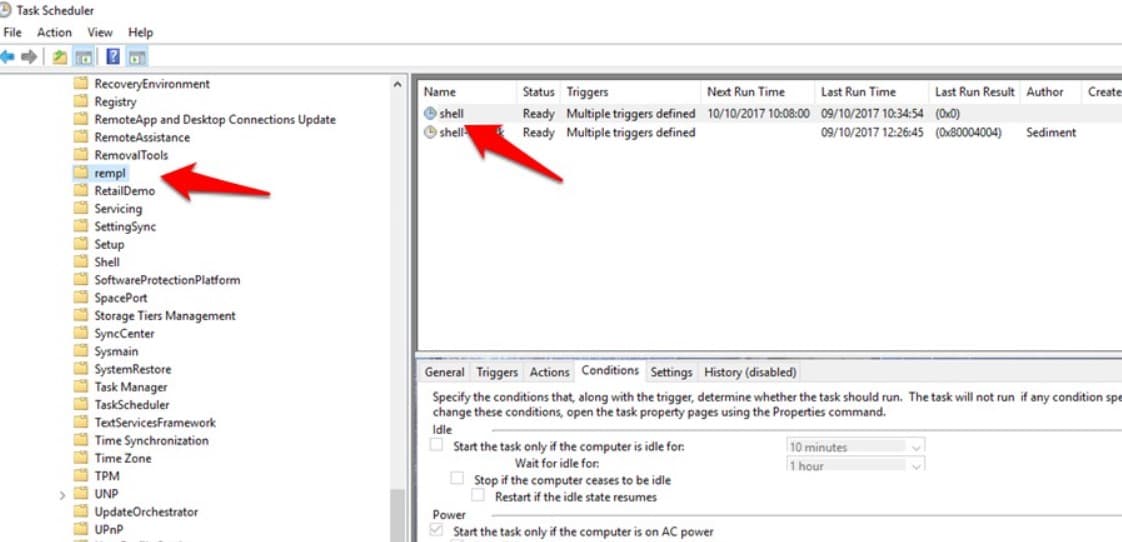
  1. Press Windows + R, Type Task Scheduler, and press Enter
  2. Expand the Task Scheduler Library, followed by Microsoft, then Windows.
  3. Now, locate and select the rempl folder, select the Shell entry, and delete it using your keyboard.
Delete rempl task

Alternatively, you can rename or restrict the executable file, but this is not generally recommended because Windows updates may restore it automatically.

If you choose to disable Sedlauncher.exe, continue monitoring Windows Update to ensure updates install successfully.

If high disk usage still occurs after disabling the process, the issue may be related to your storage device or another Windows component.

Method 10: Check Your Hard Drive Health

If Sedlauncher.exe continues causing high disk usage even after trying the fixes above, the problem may not be related to Windows Update at all. In some cases, a failing hard drive or storage device can cause Windows processes to appear stuck while reading or writing data.

This is especially common on older computers that use traditional hard disk drives (HDDs).

Check Drive Health Using Windows

  1. Press Windows + S, Search for Command Prompt
  2. Right-click it and select Run as administrator
  3. Type the following command and press Enter:
chkdsk C: /f
  1. If prompted, type Y and restart your computer
Command Prompt showing chkdsk c: /f /r cannot run because the volume is in use, prompting to schedule for next restart

Windows will scan the drive for errors and attempt to repair any file system issues.

Signs of a Failing Drive

You may have a storage problem if you notice:

  • Frequent system freezes
  • Extremely slow file transfers
  • Clicking or unusual drive noises (HDDs)
  • Repeated disk usage spikes
  • Windows is taking a long time to start

If your drive is reporting errors or showing signs of failure, consider backing up important files and checking its health with the manufacturer’s diagnostic tools.

Once the scan is complete, monitor Task Manager again to see if disk usage has improved.

Frequently Asked Questions (FAQ)

What is Sedlauncher.exe in Windows 11?

Sedlauncher.exe is a legitimate Microsoft process that is part of the Windows Update system. It works alongside the Windows Remediation Service to help prepare your PC for updates and improve update reliability.

Is Sedlauncher.exe a virus?

No. Sedlauncher.exe is normally a safe Windows component. The legitimate file is typically located in: C:\Program Files\rempl
If the file is located elsewhere or behaves suspiciously, running a malware scan is recommended.

Why is Sedlauncher.exe using 100% disk?

Sedlauncher.exe may use high disk resources while downloading updates, repairing Windows Update components, or performing maintenance tasks related to Windows updates.

Can I disable Sedlauncher.exe?

Yes, it is possible to disable Sedlauncher.exe or the Windows Remediation Service. However, doing so may affect Windows Update functionality and is generally not recommended unless you are troubleshooting a specific problem.

Is it safe to delete Sedlauncher.exe?

No. Because Sedlauncher.exe is part of Windows Update, deleting it is not recommended. If the process is causing issues, try the troubleshooting methods in this guide instead.

How long should Sedlauncher.exe run?

The process usually runs only temporarily while Windows completes update-related tasks. On slower systems or after major updates, it may remain active for a longer period.

Does Sedlauncher.exe slow down Windows 11?

It can temporarily slow down Windows 11 if it is using a large amount of disk, CPU, or memory resources. Once update tasks are completed, system performance should normally return to normal.

Steve Ballmer
With over 7 years of experience in the IT industry, I have experience in IT support, helpdesk, sysadmin, network admin, and cloud computing. Certified in Microsoft Technologies (MCTS and MCSA) and also Cisco Certified Professional in Routing and Switching.