
In today’s digital age, we heavily rely on the internet to get things done. As technology advances and as more people turn to the internet, there has been a rise in cases of cyber-attacks. You should understand that your personal information might be subject to black-hack schemes aimed at trading your data. For that reason, it is important to make sure that you practice effective online data security strategies. If you are looking to stay safe while browsing the internet on your Windows device, you have come to the right place. This article highlights some of the best online safety practices that will protect you from data breach schemes. Read on to find out more.
Create Strong Passwords
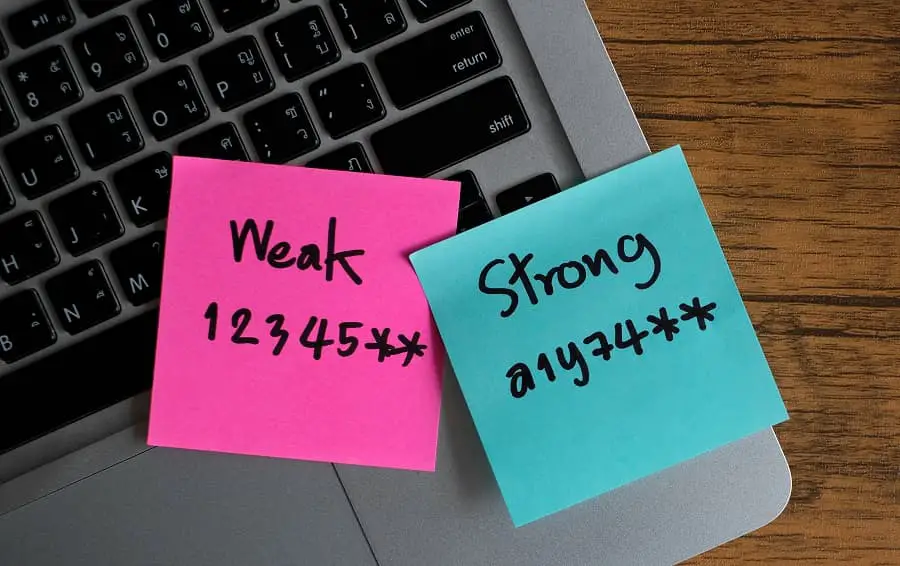
At times, you do not have to be tech-savvy to protect your online presence. All you might have to do is create strong passwords when setting up an online account. When a password is strong enough, it becomes more difficult for brute force access to your data.
Again, avoid using the same password across multiple online accounts. Always have a unique password for every account to better safeguard your financial and personal information against hackers.
If you find it challenging to remember each password, you can consider writing your passwords on a piece of paper for easier access in the future. In addition, there are several offline password managing tools that you can use to your advantage.
Invest in A Reputable Virtual Private Network (VPN)
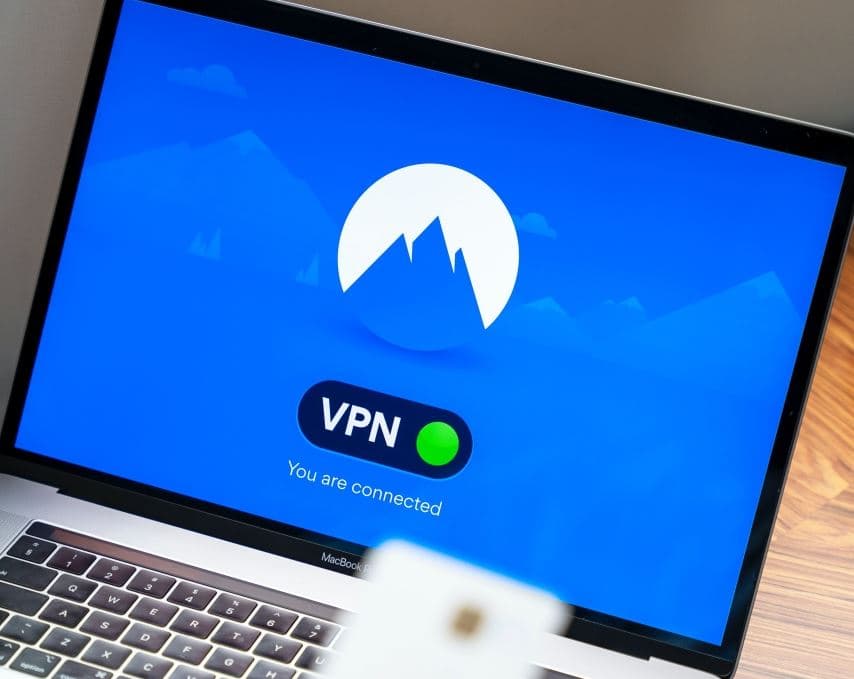
Using a reliable VPN is one of the best ways to secure your online presence. This is particularly so when using a public network. VPNs are designed to direct your internet connection through private servers.
The VPN encrypts your information, securing the association between your device and the internet server. This way, no one can screen or access the data or information you share.
When using a VPN, your online identity stays anonymous. This means that the black hat hackers will not have easy access to your personal data. If you are looking for a reliable VPN, check out this free VPN for Firestick.
Connect To a Secure Network
Before connecting to any Wi-Fi network, always ensure that the network is secure and protected using a strong password. Your office and home networks are most likely well-protected. However, most public Wi-Fi networks, like the ones available at airports, coffee shops, and other public places, are most insecure. In other words, a majority of them are not password protected.
To stay clear of cyber-attacks, it is highly recommended that you only use secure networks. The only safe way to use a public network is via a reputable Virtual Private Network (VPN). The VPN reroutes your online traffic through a secure tunnel, hiding all your digital footprints from companies and ISP tracking you.
Click Wisely
Making careless clicks can lead to a number of security issues. Any website that asks for your credit card information, personal information, or bank account details when not needed should be avoided.
In the same vein, you should steer away from sites requesting to “verify you” unnecessarily. Others will send you emails telling you that you have won the lottery. These sites are not to be trusted at all.
These are old tricks used by black hat hackers to perpetrate cybercrimes. The intention is to make you click on malicious links that will grant them access to your personal information.
Always Keep Your Windows and Apps Updates
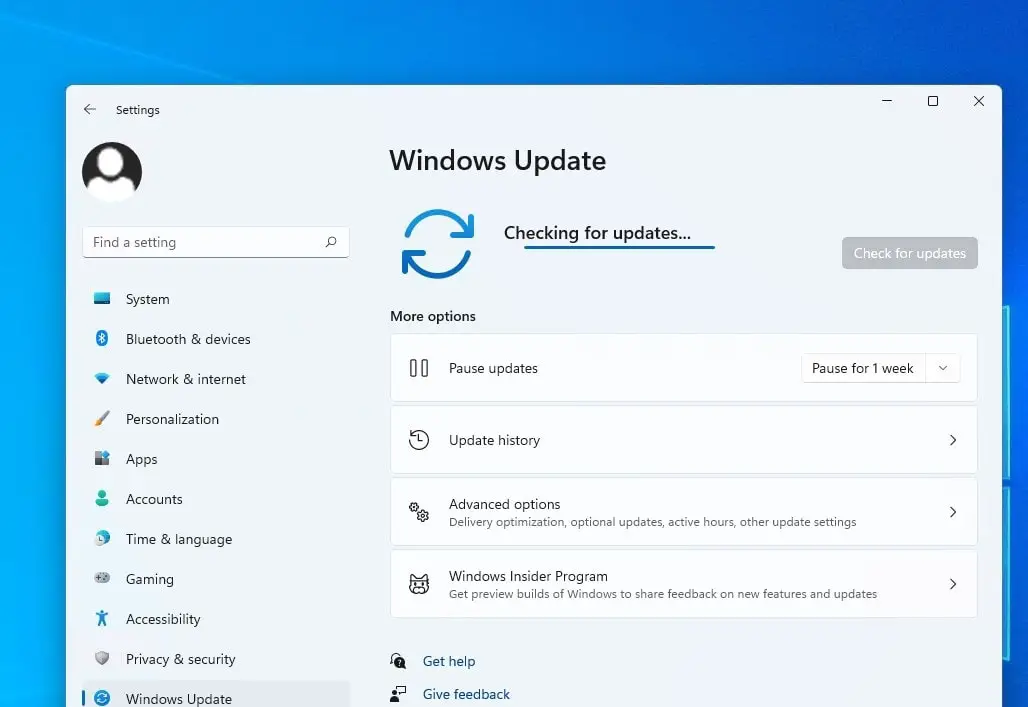
We are often postponing updating our Windows software and apps, and this can have an adverse impact on our online security. Hackers are always looking for bugs to exploit in outdated Windows versions.
For that reason, it is important that you keep your operating system and apps updated. This is because Microsoft is always releasing new versions of its OS with fixed bugs. Updating your software essentially means that you have the most up-to-date security protocols at your disposal.
To update your Windows software, go to Microsoft’s website, purchase the requisite license, download the latest version of the software, and install it into your device.
Only Share Limited Data Online
It is vital to keep your personal information private and protected from the online community. Be careful about the information that you share through online platforms. Avoid sharing personal intel with strangers.
If you are sharing your professional information, please be sure to stick to just a brief professional background and nothing more. In other words, only share what is necessary for the position. Anyone after you can take advantage of personal information that you shared online, and you do not want to fall for that trap.
Invest in Reliable Antivirus Protection
Installing an antivirus on your device helps add to your online safety. An antivirus helps detect the safety of sites that you interact with.
There are thousands of reliable antivirus software on the market. The most popular antivirus software includes Quick Heal, McAfee, Microsoft Defender, and Avast. Download and install any of these software programs to keep your device free of viruses.
However, you should understand that installing the software alone is not enough. You will need to keep updating it for optimum performance. Updating the antivirus ensures that your data is well protected.
Only use Secure and Trusted Sites
Not all websites are safe to share your information with. Always make sure that the sites you interact with are secure and trusted. This applies to downloads, purchases, and information-sharing sites alike.
One of the easiest ways to check whether a site is secure is to check for a padlock icon on its browser address bar. The presence of the padlock is an indication that the traffic between your device and the website is encrypted.
Another way to ensure that a site is trustworthy is by checking whether the address begins with “HTTPS” and not “HTTP.” In addition, make a point to read the site’s and app’s terms and conditions before making any download
Deploy 2-Factor or Multi-Factor Authentication
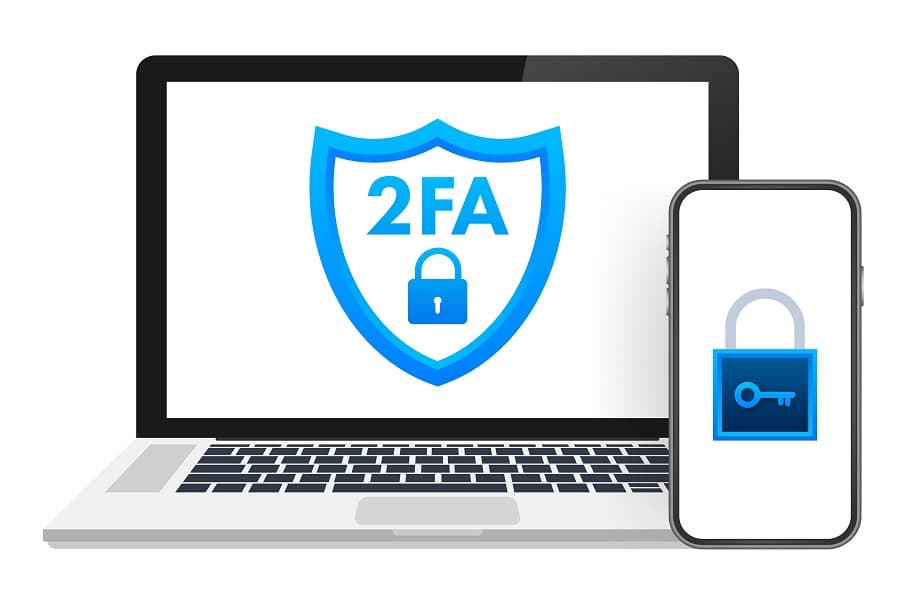
While 2-factor or multi-factor authentication might seem like a lengthy process, it goes a long way in keeping unauthorized third parties at bay. It keeps you protected by requesting additional information every time you or anyone else tries to log in.
In most cases, the site will send a code to your phone, which you must then confirm to access the account. This means that even when someone gets your password, they will not have access to your account without access to your phone.
Also read:
- Essential Cyber Security Tips Every Small Business Should Know
- Antivirus vs VPN, Do You Really Need Both of these protection services?
- Photos App Opens Extremely Slow in Windows 10? Apply these solutions
- Windows 11 Laptop battery drains quickly? 7 Ways to Improve Battery Life
- Windows 10 Blue screen error Driver power state failure (Quick Solutions)


