Windows 11 comes with widgets that provide information at a glance and can be used to display weather forecasts, new sports scores, clocks and more. It’s helpful for users and can be easily opened by clicking the widget icon in the taskbar, but some users have complained that Windows 11 widgets use too much CPU. High CPU usage not only consumes significant system resources but also slows the computer and can make Windows 11 unstable. In this article, we try to identify the reason and how to fix Windows 11 widgets high CPU usage problem.
How to Fix Widgets High CPU Usage Problem
The common reasons for the Widgets High CPU Usage problem are too many programs or applications running at once, or a corrupted Windows Widgets support file. Again, outdated Windows versions, corrupted Windows 11 files, and viruses or malware infections can also lead to high CPU usage in Windows 11.
Sometimes restarting Windows 11 helps clear temporary files and resolve high CPU usage. In addition, you need to update Windows 11 to the latest version or run DISM and System File Checker (SFC) scans to repair system files and fix the problem. Disabling Windows Widgets is another effective way to fix high CPU usage on Windows 11.
Update Windows 11
Microsoft updates Windows 11 at regular intervals with the latest bug fixes and performance improvements. Widgets’ high CPU consumption can result from a temporary bug, which is resolved with recent Windows updates. Let’s check and install the latest Windows updates that not only fix problems with Windows 11 but also optimize system performance.
- Open the Settings app using Windows key + I
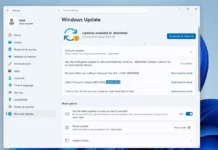
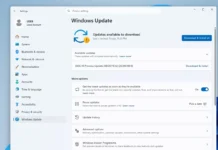
- Select Windows Update, then hit the Check for Updates button
- If there are any pending updates, allow them to download and install from the Microsoft server,
- Once done, reboot your computer to apply the changes.
Alternatively, if you notice the problem widgets high CPU usage started after a Windows 11 update, a faulty update could be the reason behind it. Try to uninstall recent updates and check if this helps.
Run System File Checker
For some reason, Windows files are corrupted, or any files needed by the Widgets are corrupt, and it keeps searching for them in the background, resulting in high CPU usage. Run the built-in System File Checker utility that helps scan and restore corrupted system files.
- Press Windows key + S, type cmd and select run as administrator,
- First, run the DISM RestoreHealth command DISM /Online /Cleanup-Image /RestoreHealth
- Next, run the System File Checker command sfc /scannow

The above command scans all protected system files and replaces any corrupted files with a cached copy from a compressed folder at %WinDir%\System32\dllcache.
- The scan will take a little time to complete. If issues are found, they will be resolved.
- Once 100% scanning completes, reboot your PC and check if the high CPU usage problem is resolved.
Disable Widgets on Windows 11
If nothing else works, you can try is to disable Widgets from the Taskbar which probably fix the high CPU usage problem on Windows 11.
- Press the Windows key + X and select Settings
- Select Personalization from the left pane then click on Taskbar (on the right pane)
- And finally, Turn the toggle switch Off next to Widgets.

In addition, a few users report that reinstalling the Windows Web Experience Pack helps with Widgets high CPU usage problems on Windows 11.
- First, open Command Prompt as administrator
- Run the command winget uninstall “Windows Web Experience Pack” and Type Y then press Enter to confirm your selection
- Now, to reinstall Widgets open Microsoft Store, search and install Windows Web Experience Pack
Sometimes a virus or malware infection also leads to the Windows 11 High CPU usage problem. If the above solutions fail to fix the problem, we recommend performing a full system scan with the latest updated antivirus program.
Frequently Asked Questions
Windows 11 Widgets are small applications that can be displayed on the desktop, providing quick access to information and functionality.
There have been reports of some Windows 11 Widgets causing high CPU usage. This could be due to several reasons, such as inefficient code, compatibility issues, or conflicts with other software.
To check which Widget is causing high CPU usage on Windows 11, right-click on the taskbar and select “Task Manager”. Click on the “CPU” tab to sort processes by CPU usage. Look for any Widget processes using a high percentage of CPU.
There are several steps you can take to fix high CPU usage caused by Windows 11 Widgets. These include disabling or removing Widgets that cause high CPU usage, updating Windows and drivers to the latest versions, and resetting the Windows 11 installation to its default settings.
To disable or remove Widgets on Windows 11, right-click on the desktop and select “Widgets”. Click the three-dot menu icon at the top-right of the Widgets panel, then select “Manage widgets”. Here, you can disable or remove any Widgets that are causing high CPU usage.