
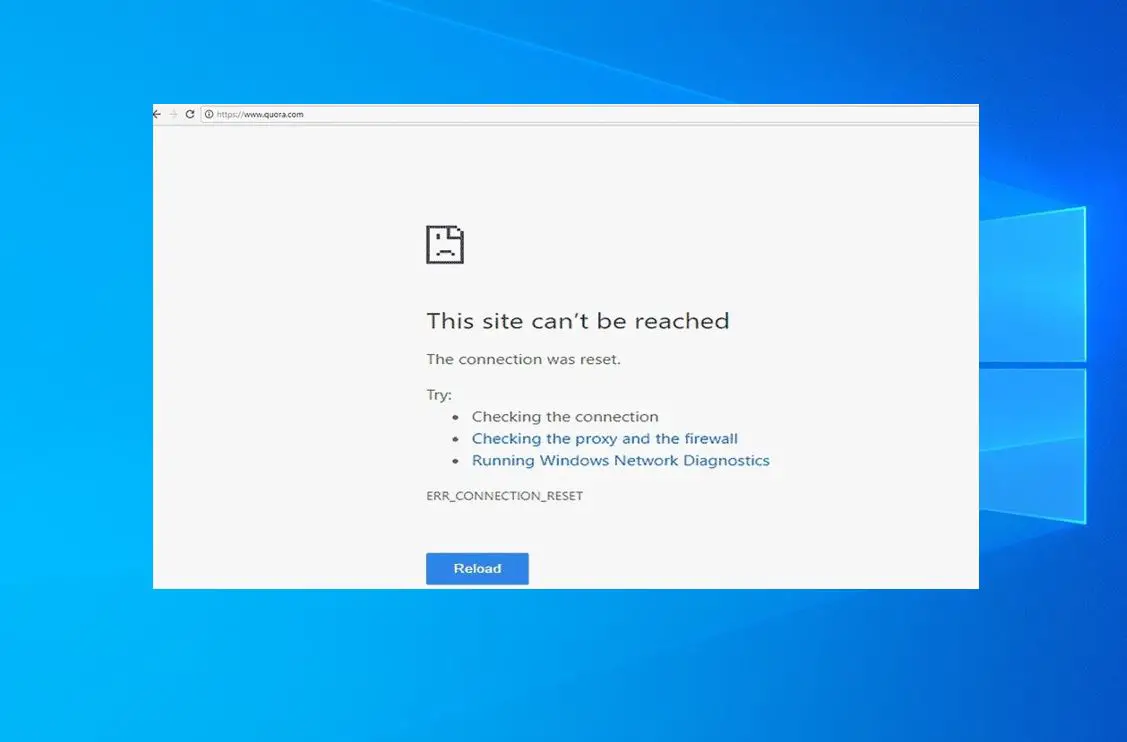
Did you encounter, “net::ERR_CONNECTION_RESET” error while trying to access web pages on Chrome browser? This error usually means the connection between your device and the website you’re trying to visit was interrupted unexpectedly. err connection reset can be caused by various factors, such as network issues, firewall settings, browser extensions, malware, or corrupted Browser Cache or Cookies are common. This article explorer, explains how to troubleshoot and fix the err_connection_reset error in Google Chrome.
Err connection reset Chrome
This error message indicates that the connection between the browser and the website’s server was interrupted or reset unexpectedly. There are several potential causes for this error, including:
Problems with your internet connection, such as intermittent connectivity or network congestion, can lead to connection resets.
- Overly aggressive firewall or antivirus settings may block the connection to certain websites, causing the connection to be reset.
- Corrupted browser cache or cookies can sometimes interfere with the connection process, leading to connection resets.
- Certain browser extensions or add-ons may conflict with website connections, causing the connection to be reset.
- Again Misconfigured server settings or issues with the website’s SSL certificate can also trigger connection reset errors.
Check Your Internet Connection
The first step to fix this error is to check your internet connection. A stable internet connection is essential for accessing websites without interruptions. Checking your connection ensures that the error isn’t caused by network issues.
- Make sure that your device is connected to a stable and reliable network, and that you can access other websites without any problems.
- If you are using a wireless network, try moving closer to the router or switching to a wired connection.
- You can also try restarting your router or modem, or contacting your internet service provider if the issue persists.
Clear Browser Cache and Cookies
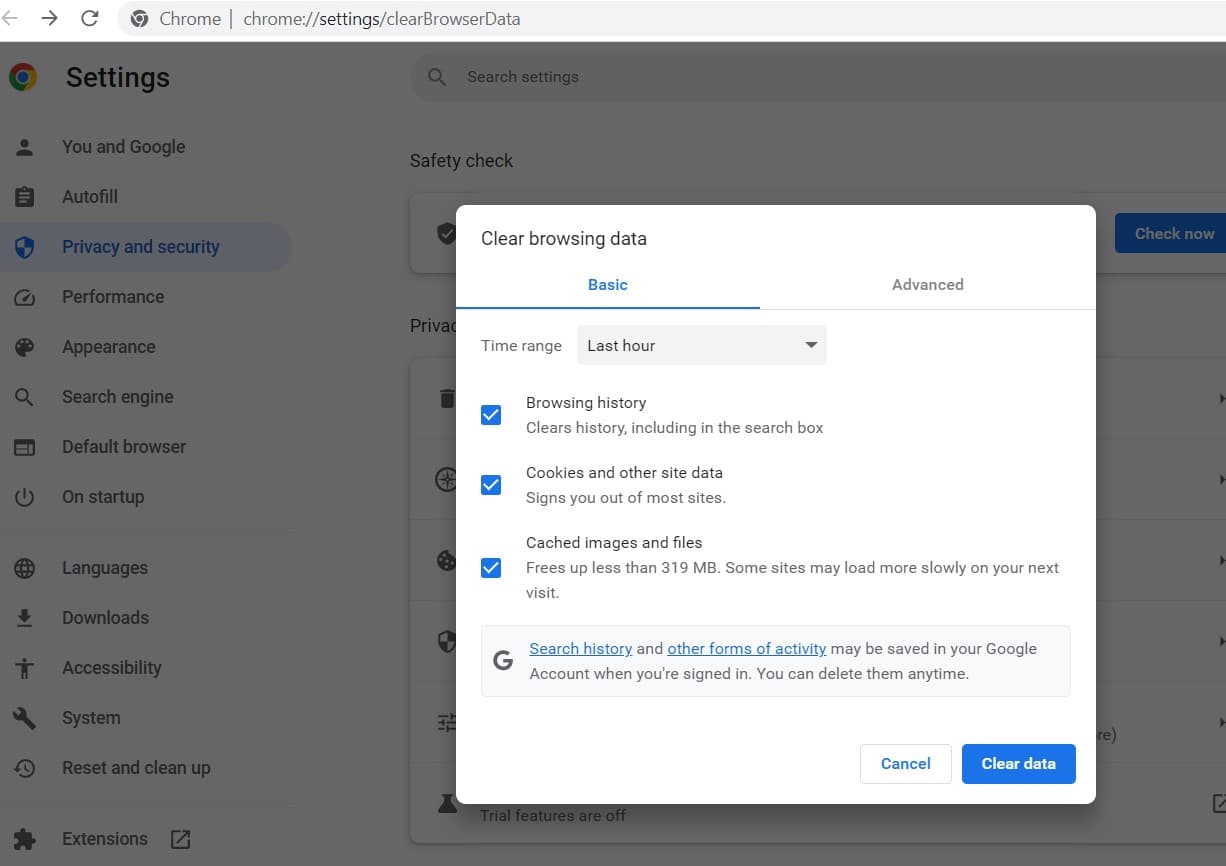
Sometimes, the error can be caused by outdated or corrupted data (Cached data and cookies) stored in your browser. Clearing them ensures that your browser retrieves fresh data from the website.
- Open Chrome and go to the menu (three dots) in the top right corner.
- Select “Settings” and scroll down to find “Privacy and Security.”
- Click on “Clear browsing data” and select the time range (e.g., “All time”).
- Check the boxes next to “Cookies and other site data” and “Cached images and files.”
- Click “Clear data” to confirm and wait for the process to complete.
Disable or remove browser extensions
Sometimes browser extensions such as ad blockers, VPNs, or proxies, can modify your network settings and cause errors. Incognito mode disables browser extensions and uses default settings, allowing you to test if an extension is causing the issue.
Open Chrome and click on the menu (three dots) in the top right corner and select “New incognito window” from the menu.
Now try accessing the website that was showing the error. If the error doesn’t occur in incognito mode, it’s likely caused by a browser extension.
To disable or remove extensions in Google Chrome
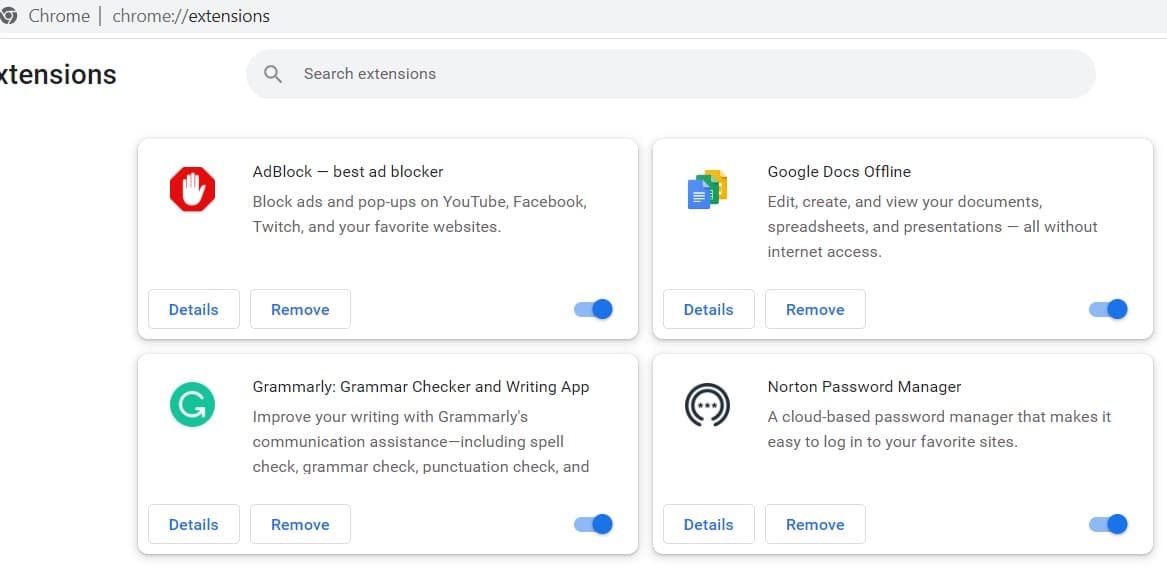
- Click on the menu (three dots) on Chrome and select “Extensions.”
- Here first disable all extensions, then enable one after one and visit the webpage to test which one causing err_connection_reset error on Chrome.
Also there is remove button to completely uninstall the extension from Chrome browser.
Try Updating or Reset Chrome
If you’ve tried the troubleshooting steps mentioned above and are still encountering the ERR_CONNECTION_RESET error, your Chrome browser or even your operating system might be outdated. An outdated browser or operating system can sometimes lead to compatibility issues with websites, resulting in connection errors. To address this, consider updating your Chrome browser and your operating system to the latest versions available.
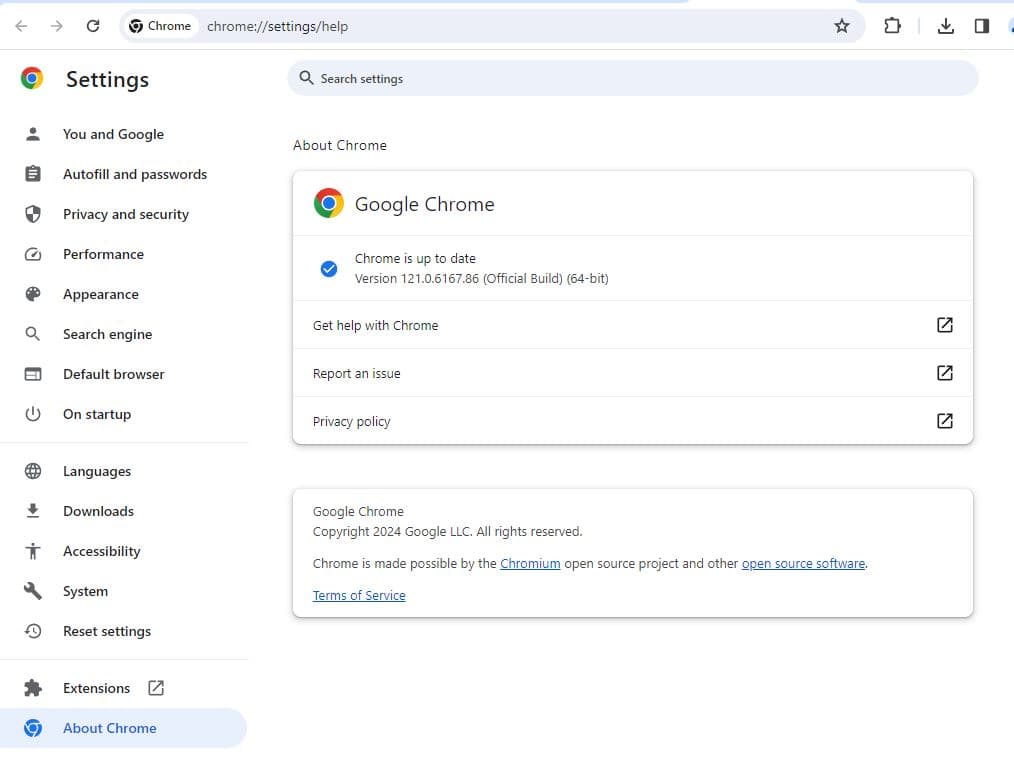
- Open Chrome and click on the menu icon in the top-right corner (three vertical dots).
- Hover over ‘Help’ in the menu. In the submenu that appears, click on ‘About Google Chrome.’
- Chrome will automatically check for updates. If an update is available, it will start downloading and installing.
- Once the update is complete, you’ll see a button that says ‘Relaunch.’ Click on it to restart Chrome and apply the updates.
To update Windows PC, Press Windows key + I to open settings. Go to Windows update and hit check for updates, if new updates are available allow them to download and install.
If updating your browser and operating system doesn’t resolve the err connection reset error, you may also consider resetting your browser settings to their default configuration. This can help eliminate any lingering issues caused by misconfigurations or conflicting settings.
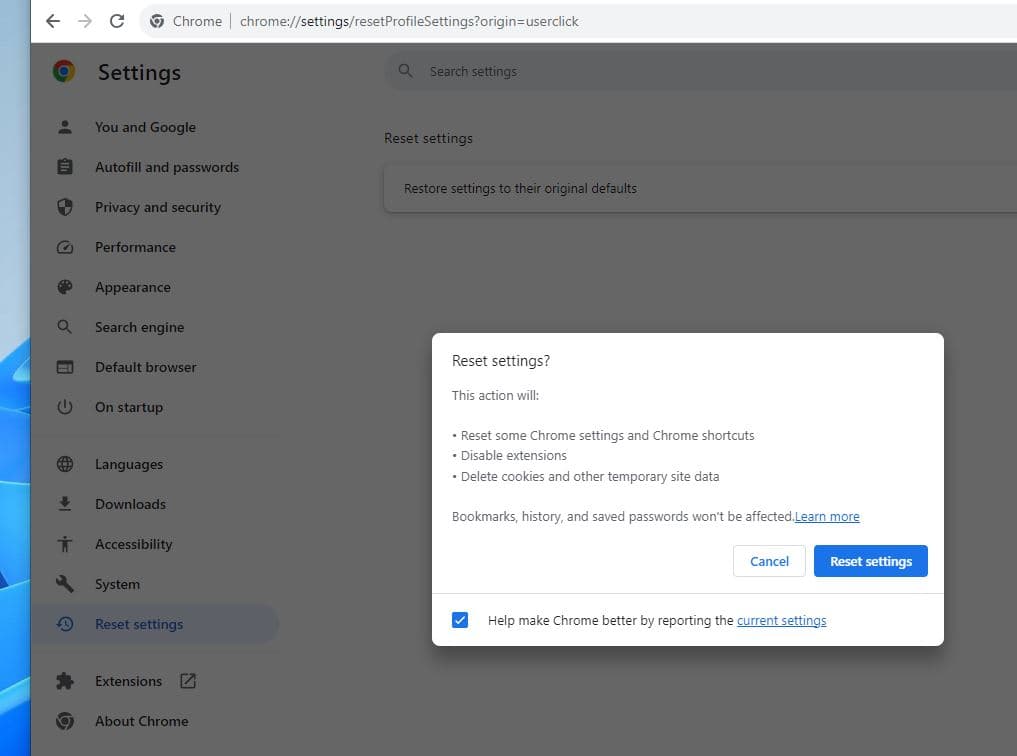
Check Your Proxy Settings
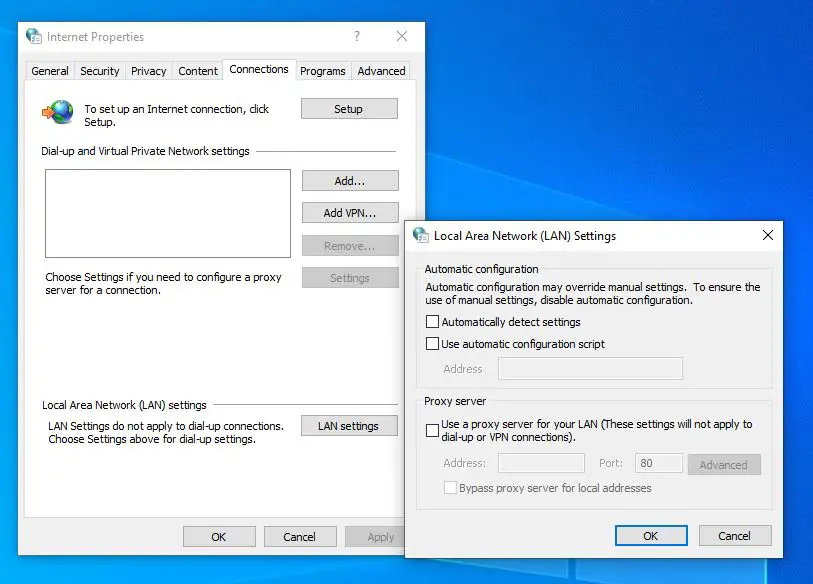
Proxy settings can sometimes interfere with your browser’s ability to establish a connection with a website. Checking and adjusting these settings can help resolve connection issues.
- Press Windows Key + R type “inetcpl.cpl” and hit enter to open Internet Properties.
- In the “Internet Properties” window, go to the “Connections” tab.
- Click on “LAN settings” and ensure that “Automatically detect settings” is checked and “Use a proxy server for your LAN” is unchecked.
- Click “OK” to save the changes and restart your PC.
Reset Network configuration
Also, Resetting network settings can help resolve various connectivity issues, including the ERR_CONNECTION_RESET error. This step resets network-related configurations to their default settings.
Press the Windows key search for cmd, Right click on the command prompt Select run as administrator. In the Command Prompt, type the following commands one by one and press Enter after each:
- netsh winsock reset
- netsh int ip reset
- ipconfig /release
- ipconfig /flushdns
- ipconfig /renew
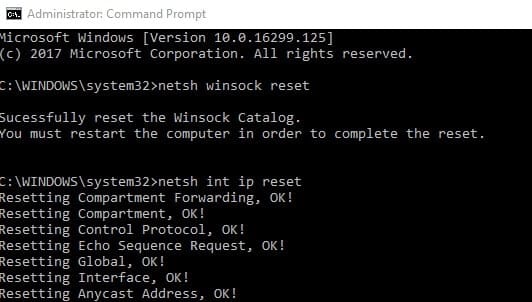
After executing all commands Restart your computer and try accessing the website again.
Switch to Google’s DNS Server
DNS (Domain Name System) servers translate domain names into IP addresses. Switching to Google’s DNS server can sometimes improve connectivity and resolve DNS-related errors.
- Press the Windows key + R, type “ncpa.cpl” and click OK to open the network connections window.
- Right-click on your active network connection and select “Properties.”
- Select “Internet Protocol Version 4 (TCP/IPv4)” from the list and click on “Properties.”
- Choose “Use the following DNS server addresses” and enter the following:
- Preferred DNS server: 8.8.8.8
- Alternate DNS server: 8.8.4.4
- Click “OK” to save the changes.
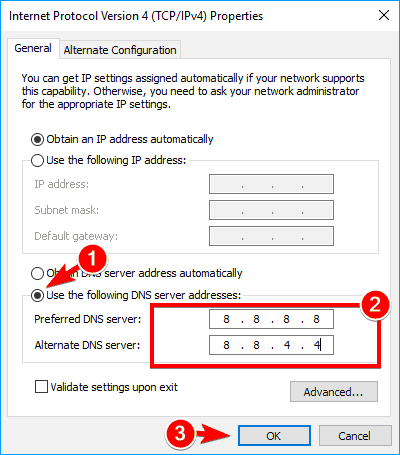
Note: That’s Google’s public DNS server address. There are other free alternatives you can research but these ones usually provide the best results.
After making these changes, let’s open the web browser and visit any web page let us know this helps. there is no more “This site can’t be reached err_connection_reset’ error.
Update or Reinstall Network Adapter Driver
Outdated or corrupted network adapter drivers can cause connection issues. Updating or reinstalling the network adapter driver ensures that it’s functioning properly.
- Press the Windows key + X and select “Device Manager” from the menu.
- Expand the “Network adapters” category, Right-click on your network adapter and select “Update driver”
- Select the first option to search automatically for the driver and follow the on-screen instructions to update the network driver with the latest version.
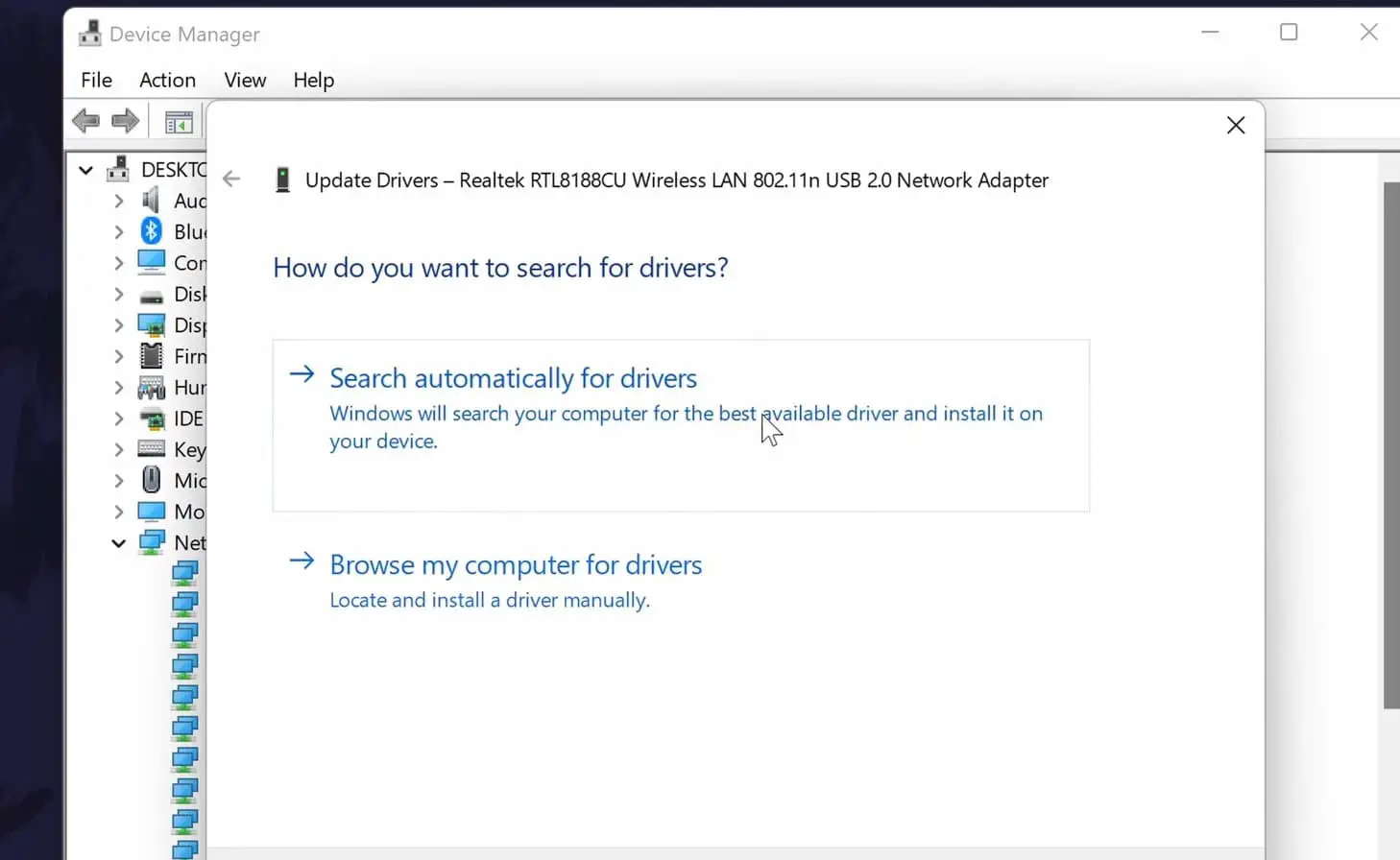
If updating doesn’t resolve the issue, you can try uninstalling the network adapter driver by right-clicking on it and selecting “Uninstall device.” Afterward, restart your computer to reinstall the driver automatically.
Also, you can visit the device manufacturer’s website, and download and install the latest available driver on your PC.
Note: If using a Laptop simply visit the Laptop manufacturer’s website (HP, Dell, Lenovo, ASUS etc), if you have a Desktop computer visit the Motherboard manufacturer’s website and download the latest available network driver.
Pro Tip: Open Device Manager and locate your network adapter under the “Network Adapters” section. Right-click on its icon and click Properties. From here navigate to the “Power Management” tab. Uncheck the box that says “Allow the computer to turn off this device to save power”.
Also read


